
Painting Practice
Symbolic worlds rooted in Korean Minhwa and shaped by contemporary life.
Through contemporary reinterpretations of Korean Minhwa, I use symbolic forms to explore the self across three dimensions: the social self, shaped by responsibility and expectation; the ideal self, formed through aspiration and desire; and the collective self, inherited through shared myth and animal archetype. Across these works, themes of resilience, memory, transformation, and cultural inheritance surface again and again—as both personal reckoning and shared experience.
Explore the Painting Portfolio
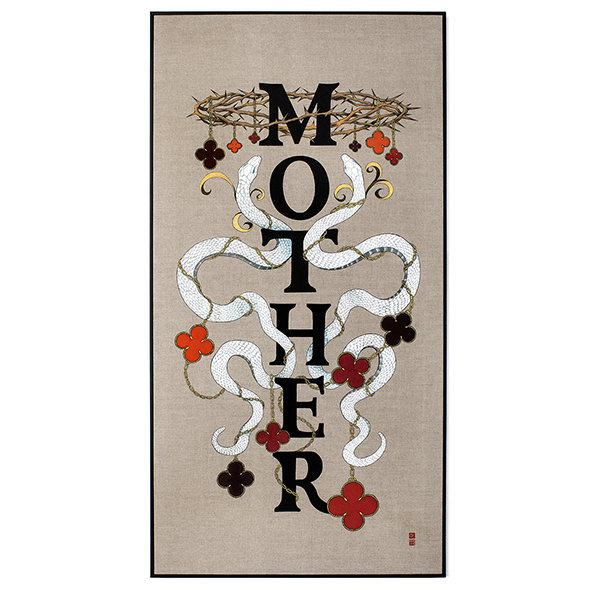
Munjado
The social self: responsibility, expectation, inner struggle, resilience, and transformation.
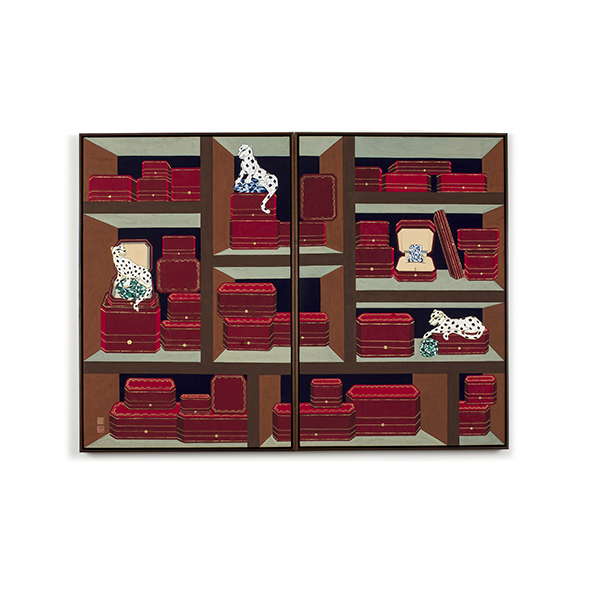
Chaekgeori
The ideal self: aspiration, desire, memory, and imagined forms of fulfillment.
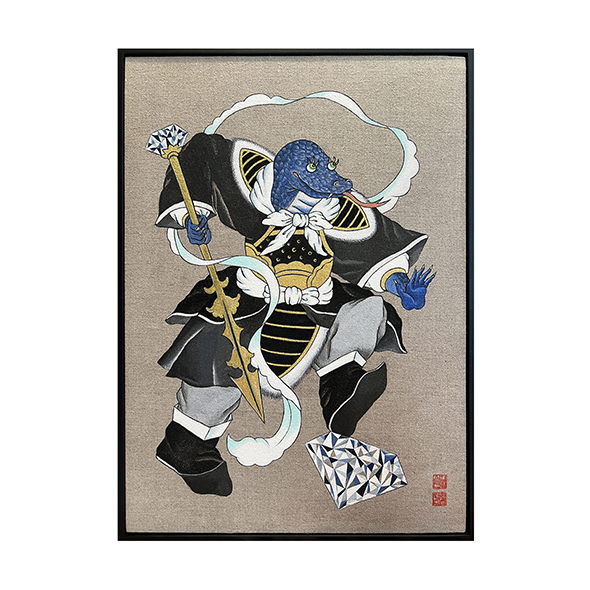
12 Animals
The collective self: distinct temperaments navigating change, challenge, and transformation.
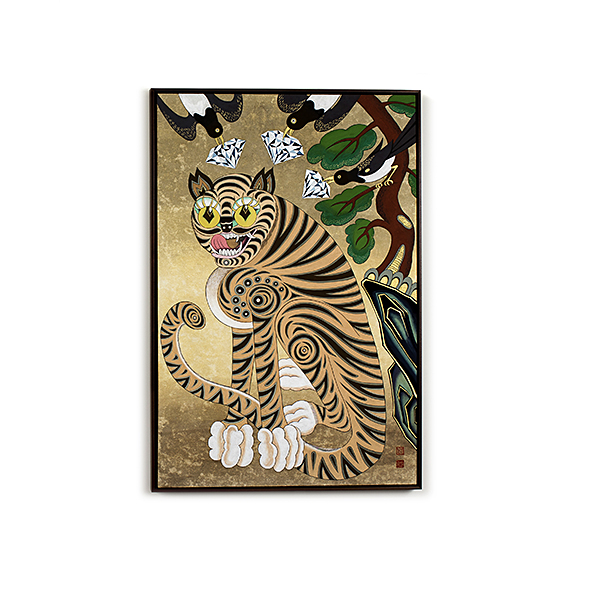
Tigers
Cultural roots, protection, moral strength, resilience, and inner value.

Earlier Works
East in West and Everyday, presented in chronological context.
Available Works
A direct bridge to selected works currently listed on Artsy.
Munjado
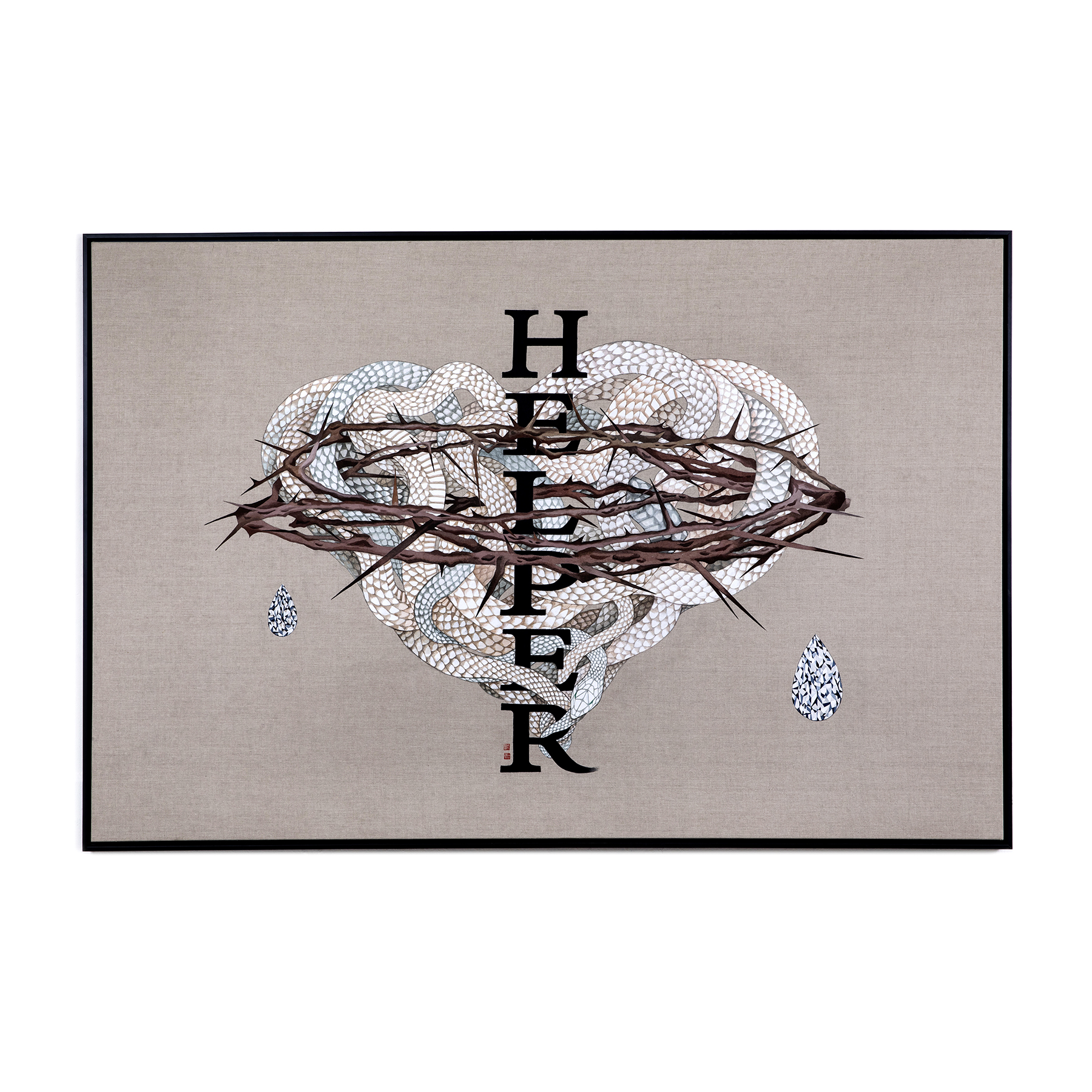
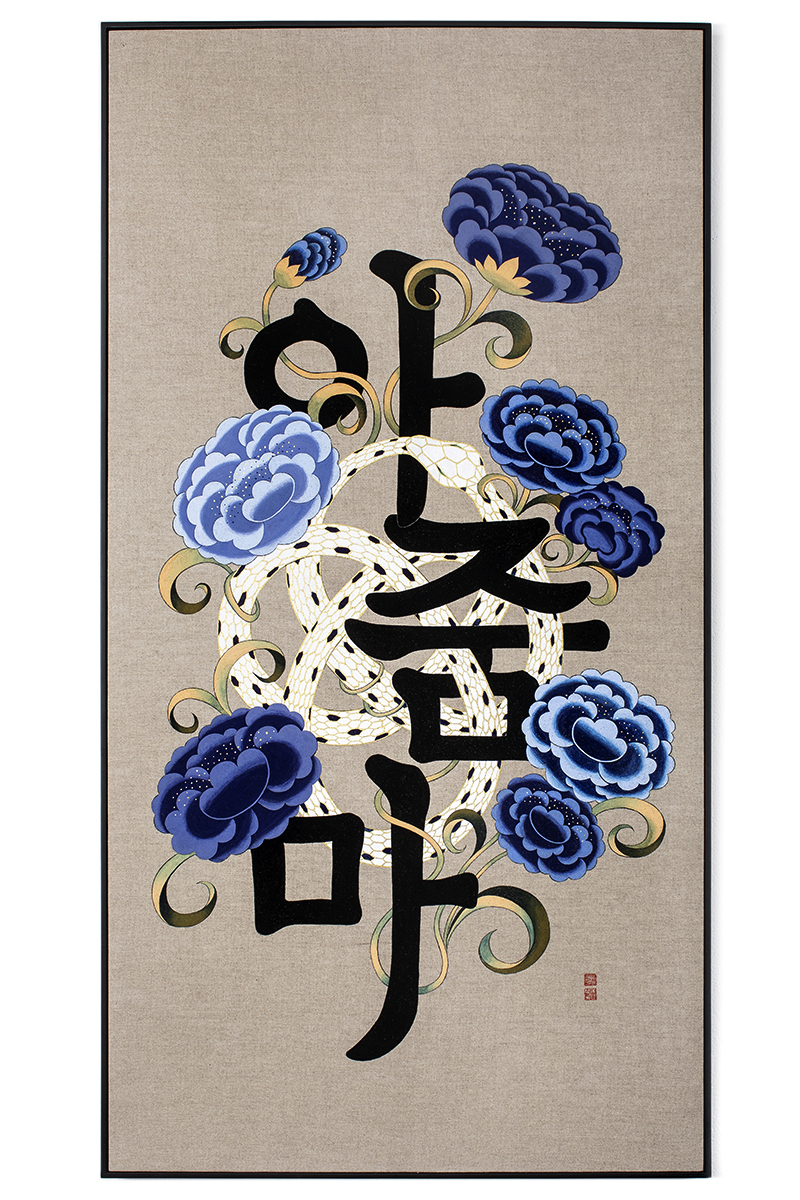
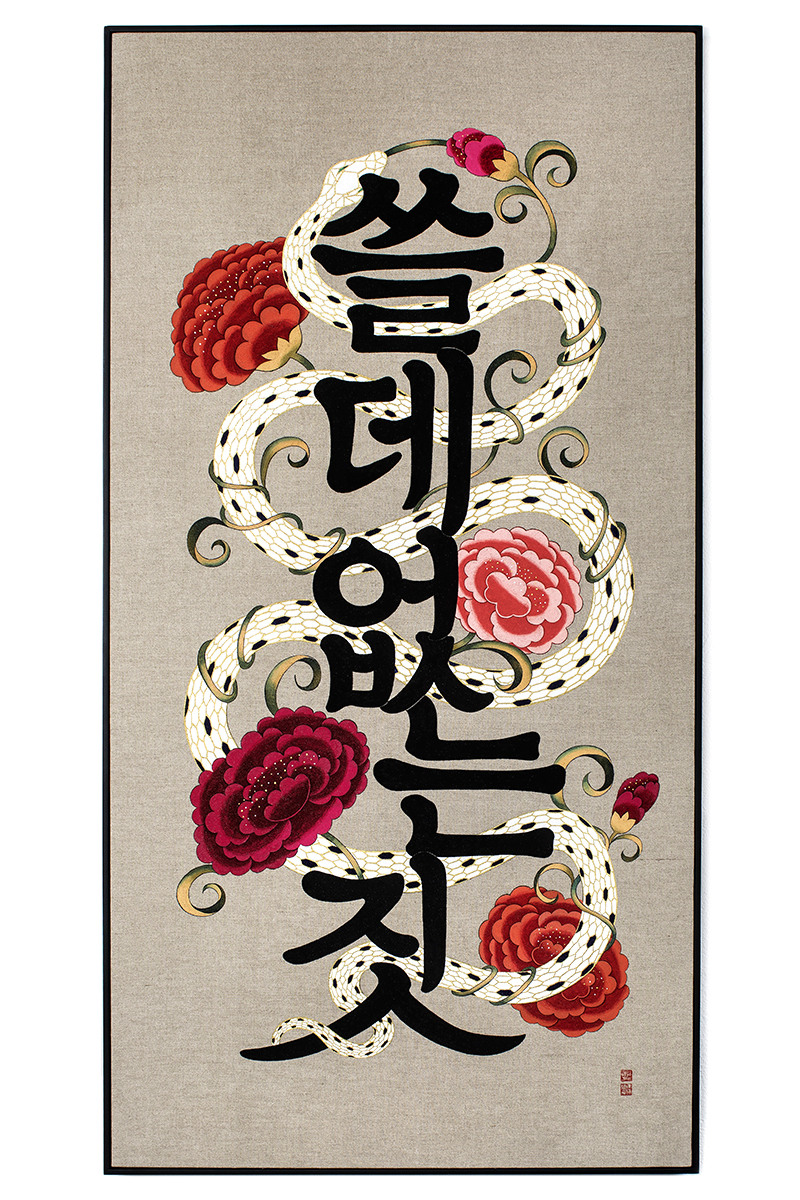
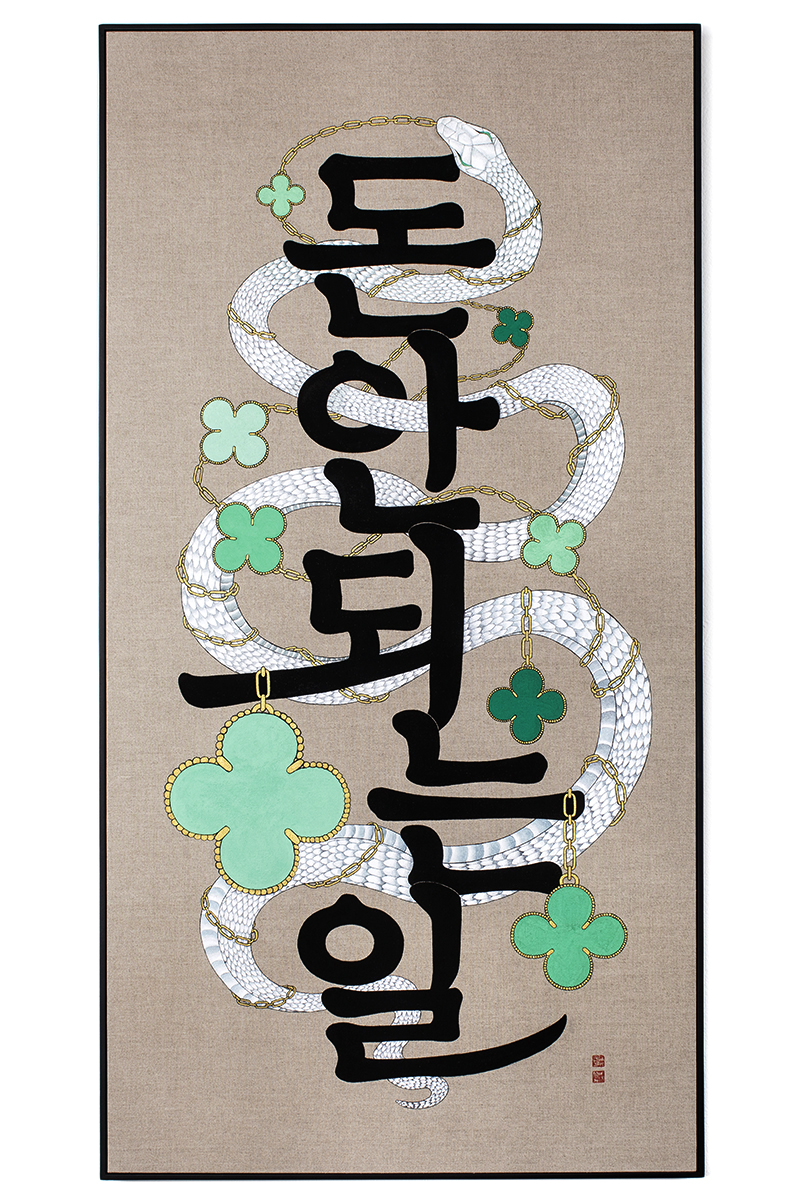
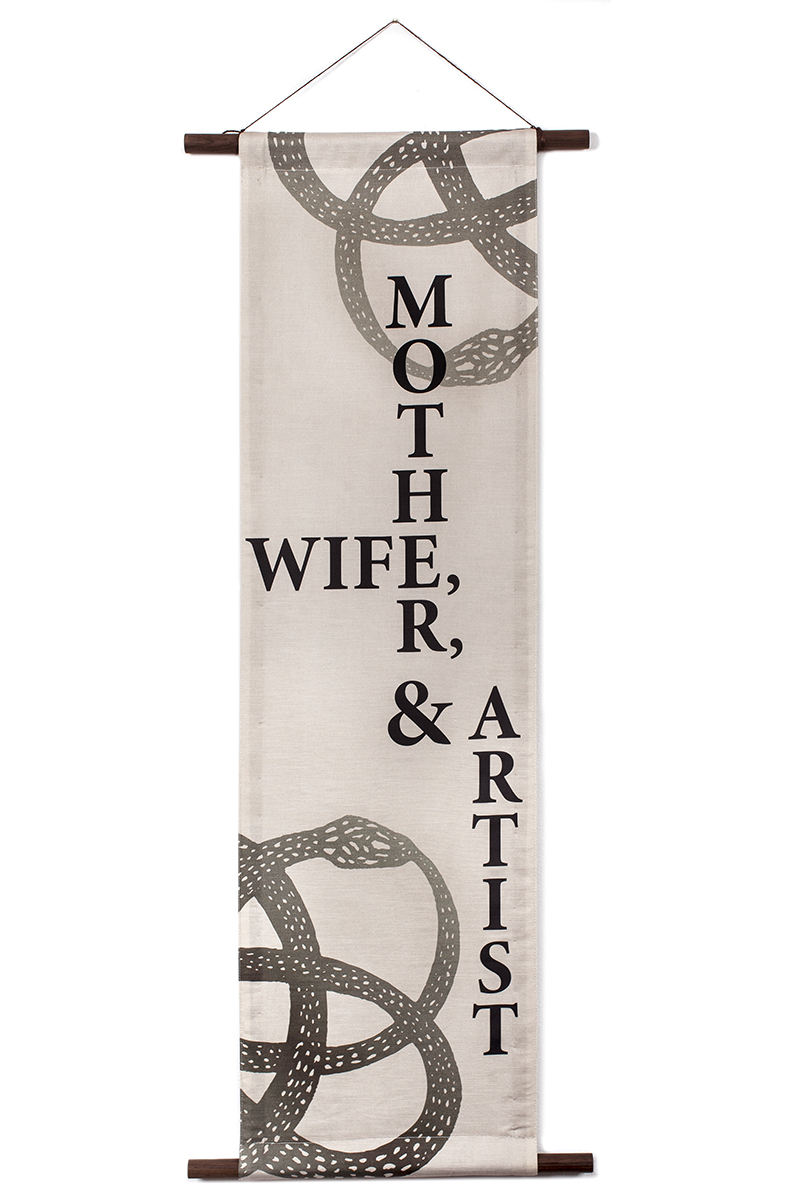
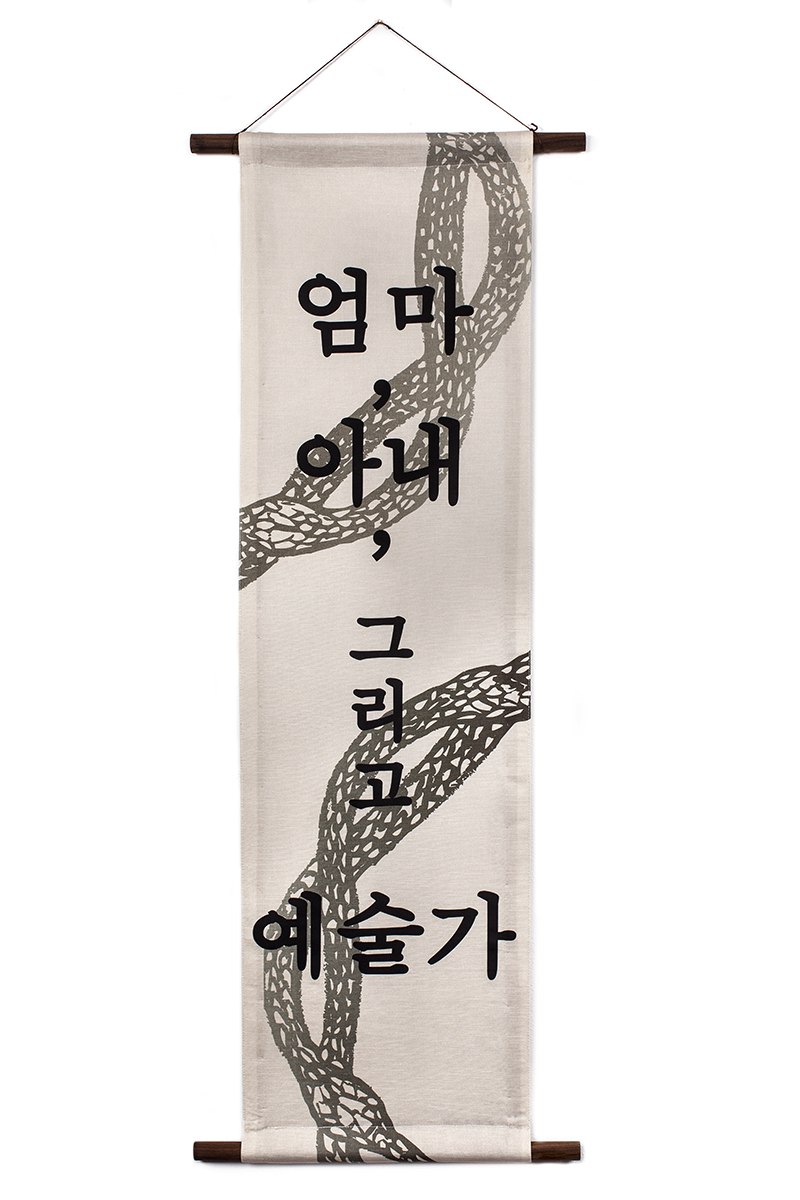
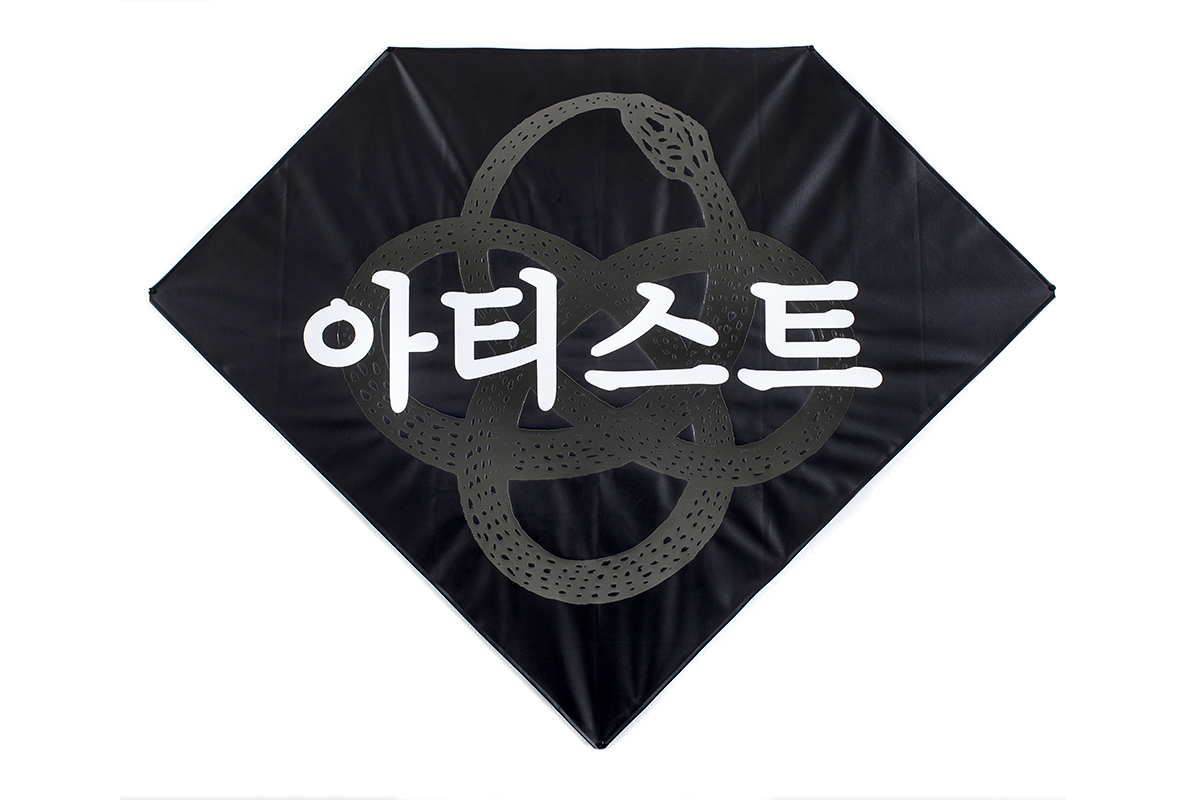
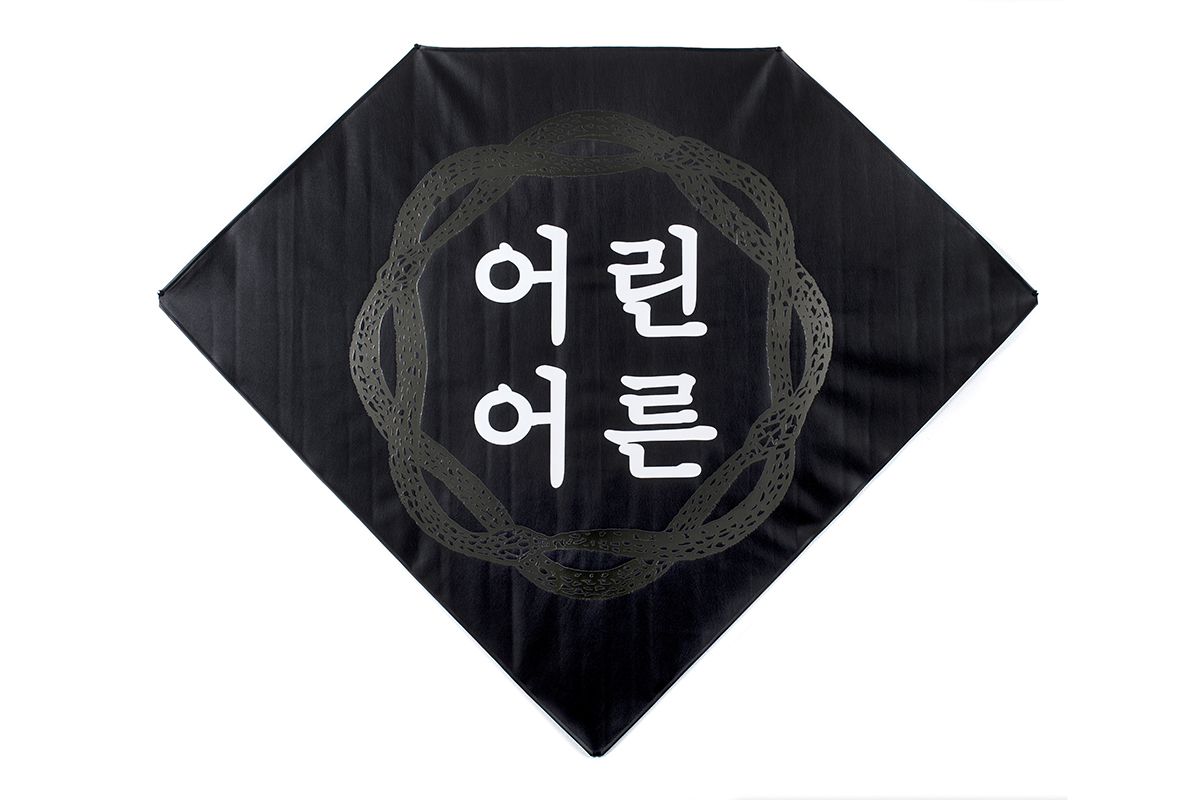
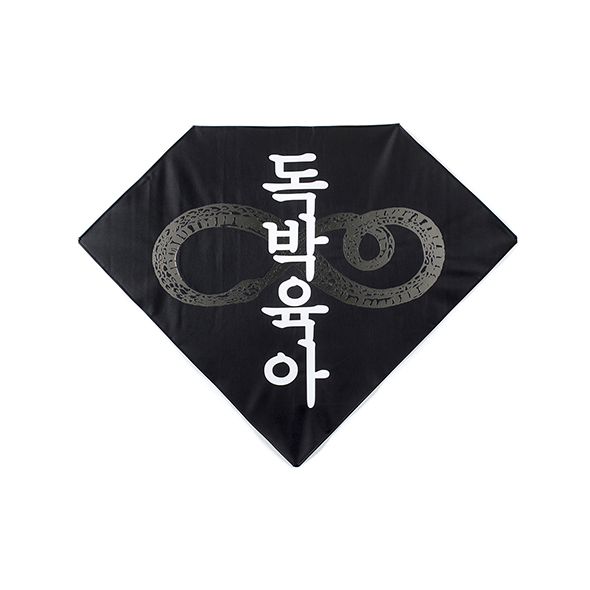
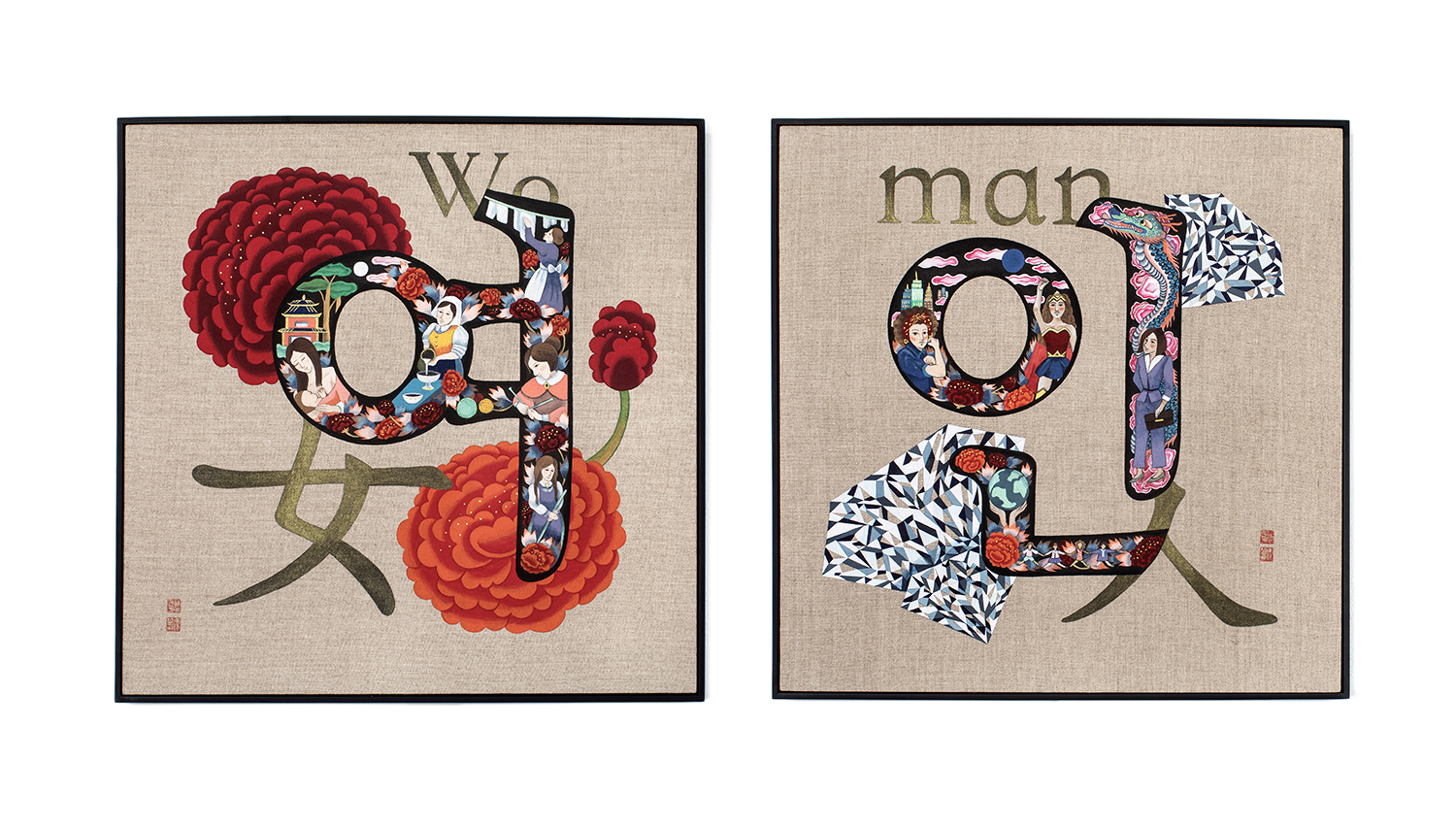
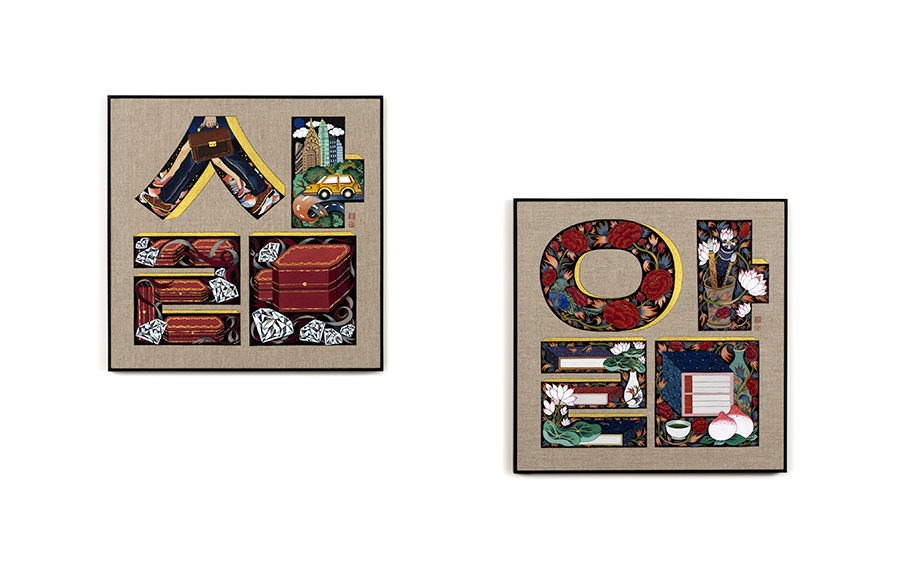
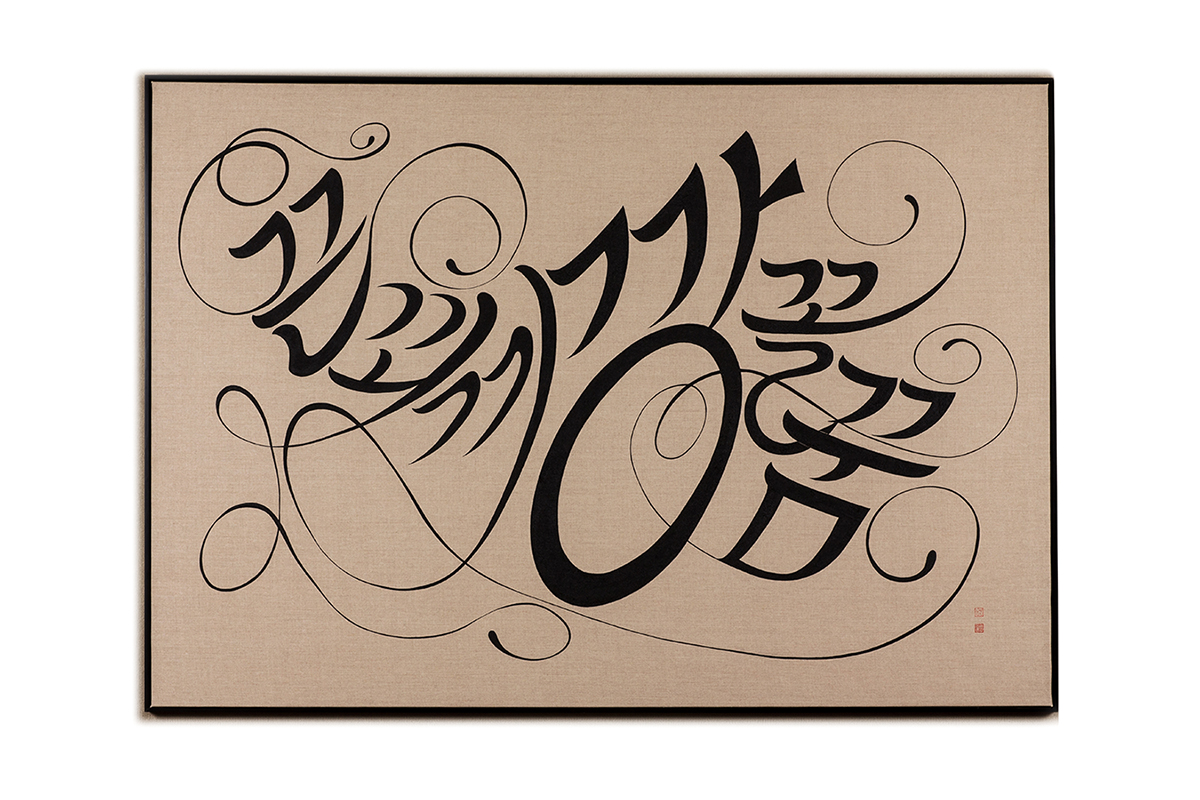
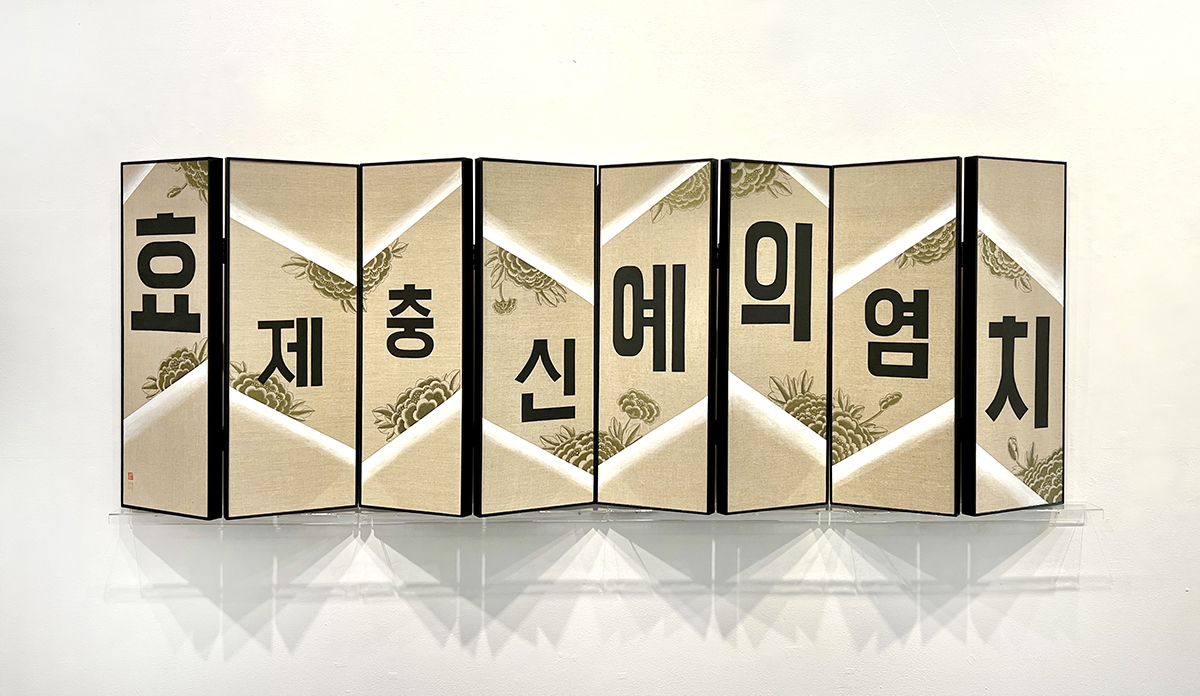
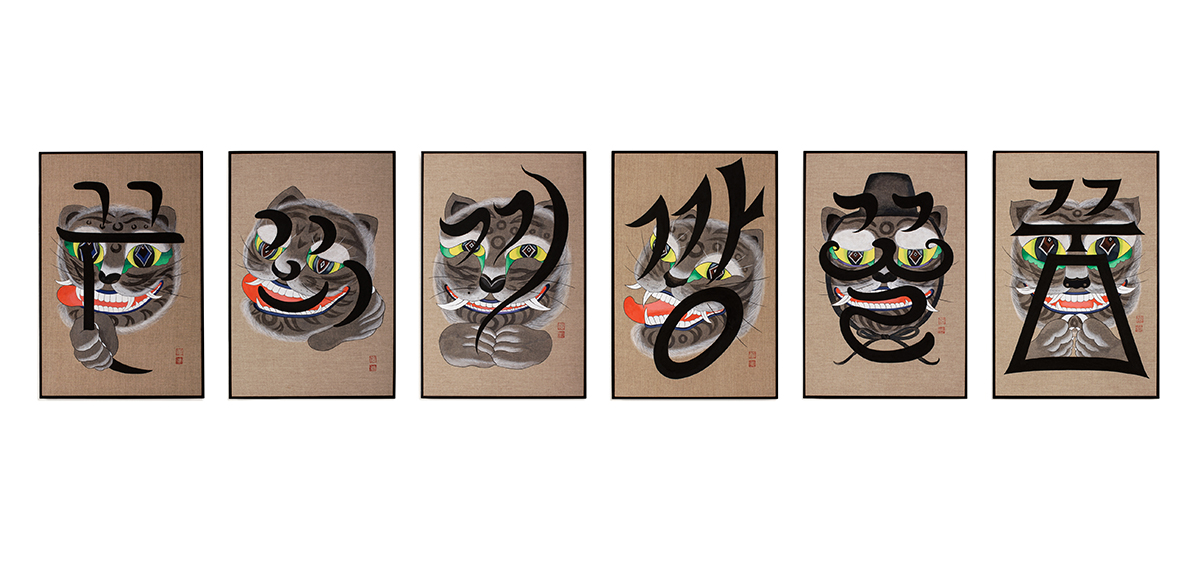
Munjado, the Korean tradition of ideographic painting, historically rendered Confucian virtues through a codified pictorial language. This series unsettles that inherited certainty, using the ideograph as a structure through which to examine the social self—the negotiation between duty, expectation, and interior life. Traditional emblems give way to a contemporary iconography of diamonds and ouroboros, each carrying inherited symbolic weight into the pressures and contradictions of the present.
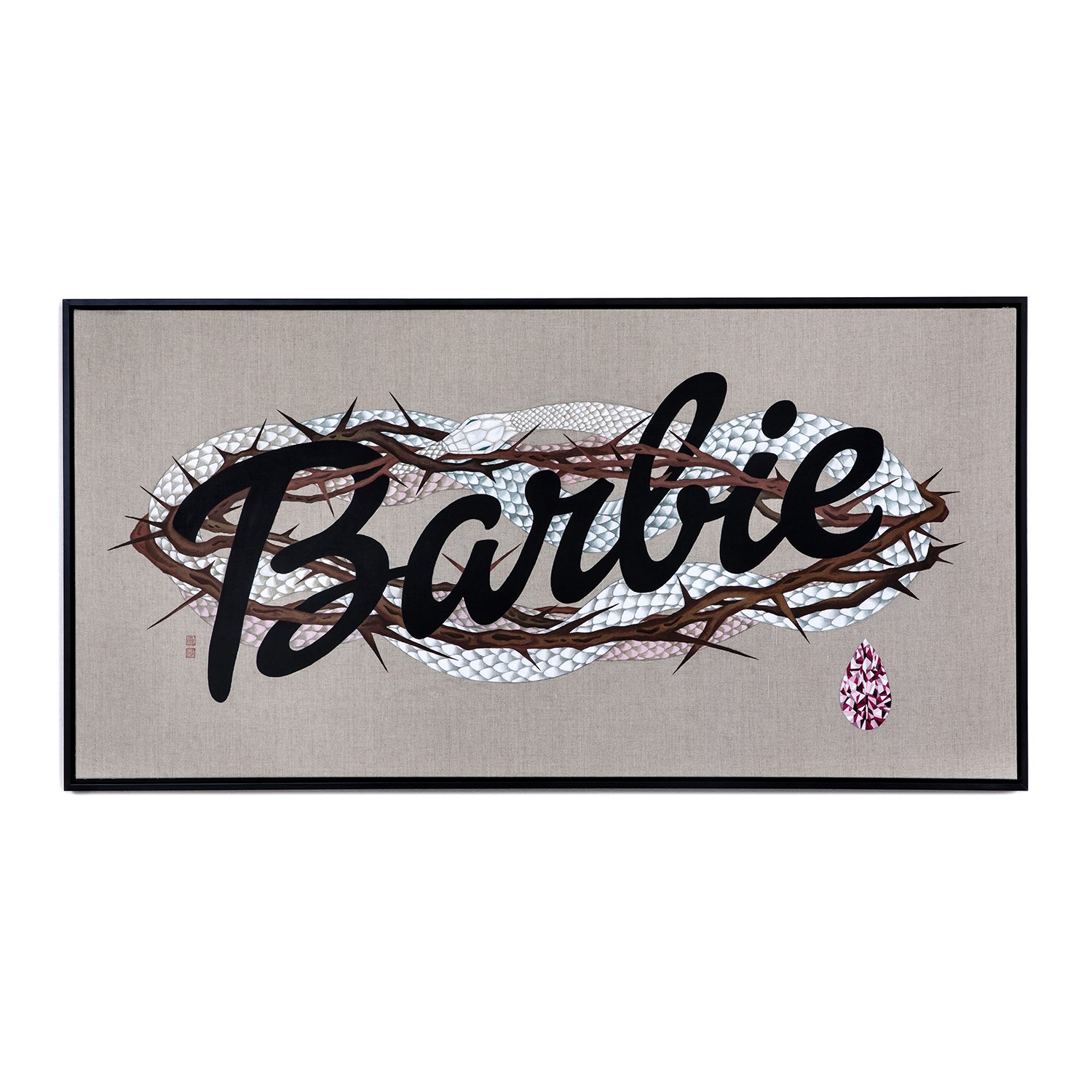
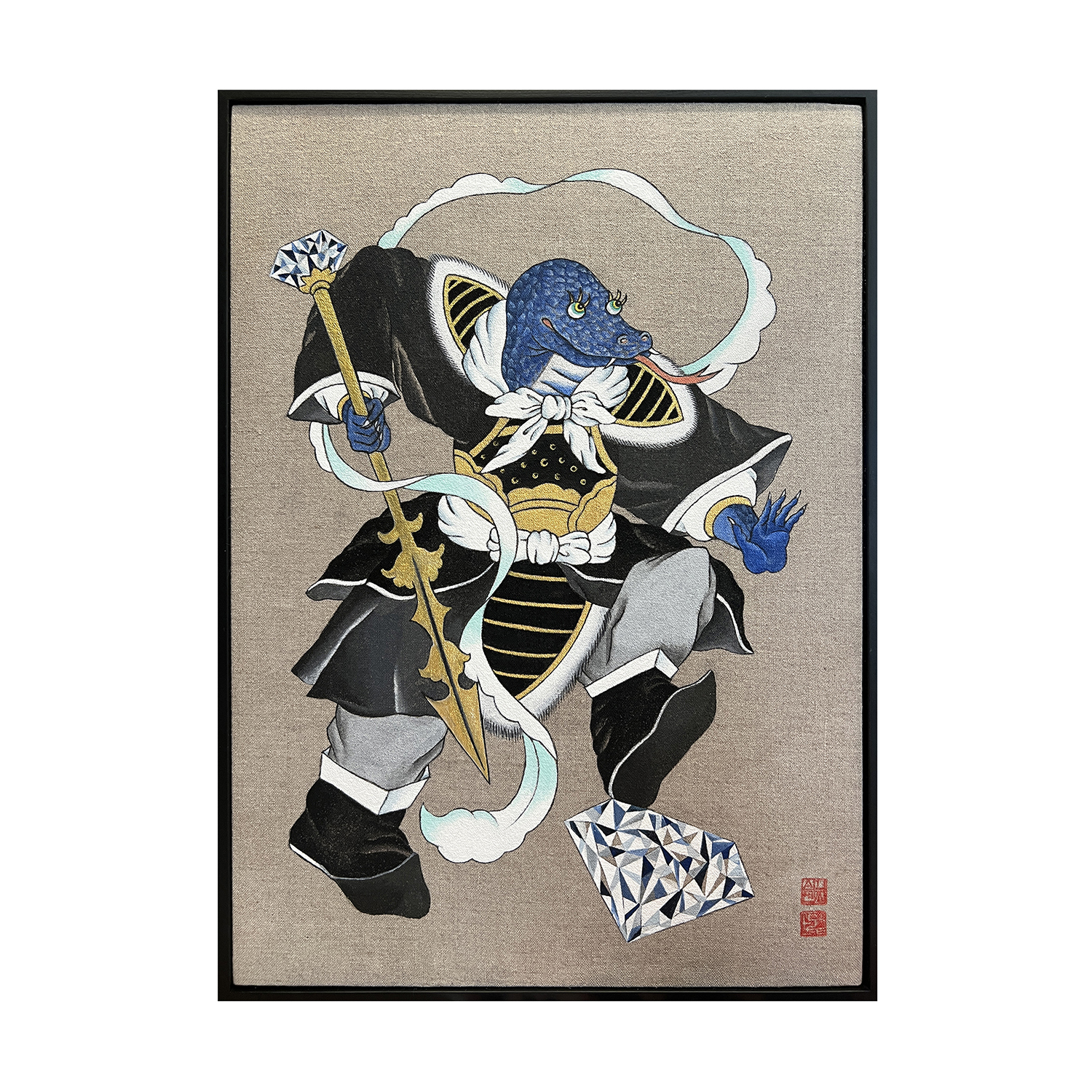
The diamond recurs as a central figure: matter transformed under immense pressure until it crystallizes, then turns outward to reflect light. It embodies resilience forged through hardship—the possibility that what is shaped by struggle can become, in turn, a source of strength for others.
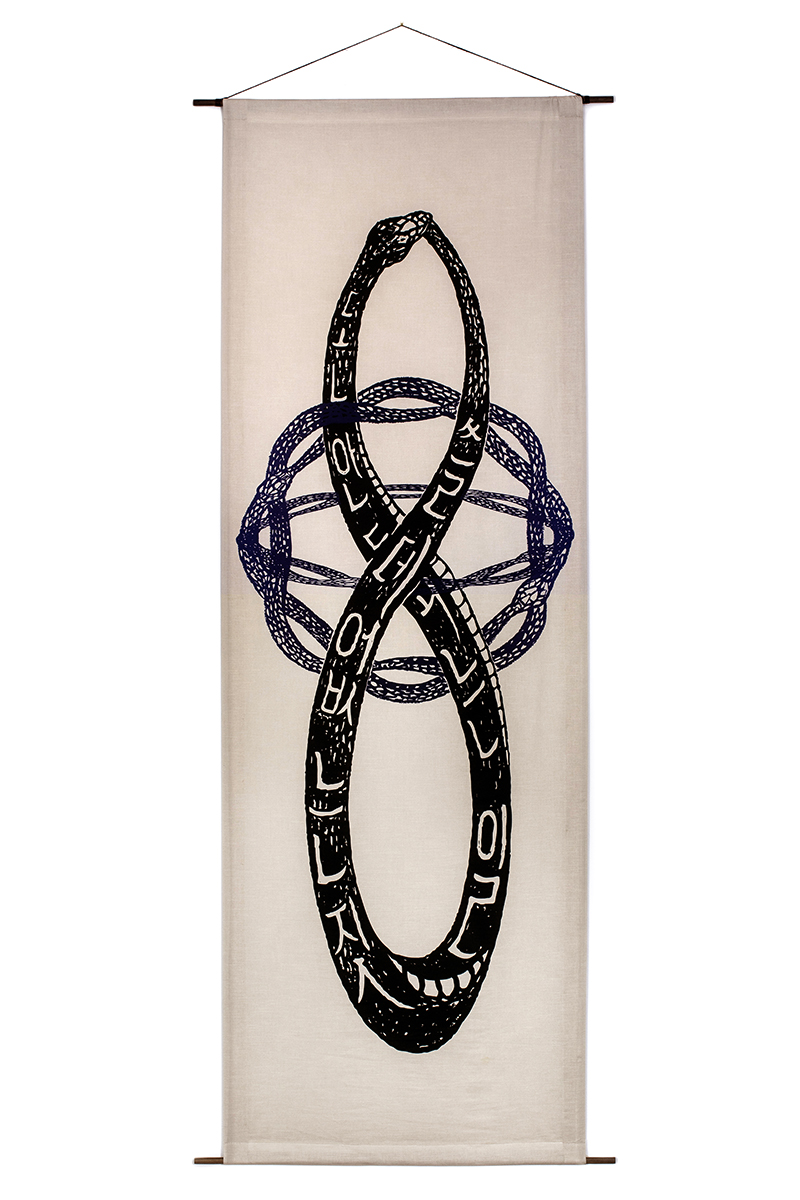
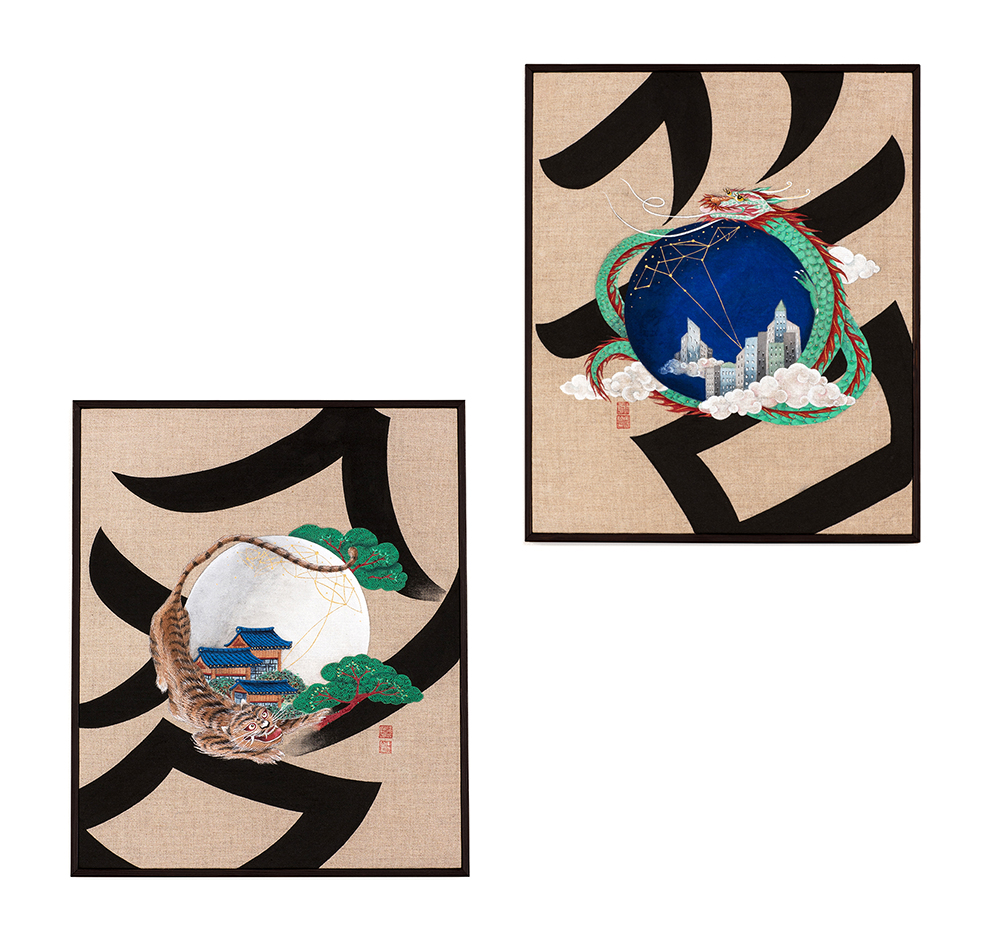
The ouroboros carries a more personal dimension. Born in the Year of the Snake, I use the serpent as a recurring reflection of self, its circular form evoking the endless cycles of everyday life—repetition, exhaustion, overcoming, death, renewal. Rather than suggesting escape from these cycles, the ouroboros represents the continual process of being undone and remade within them. Faint traces of shedding appear throughout the paintings like sediment, marking the residue of a self in transformation.
 View larger
Helper
Read about this work
 View larger
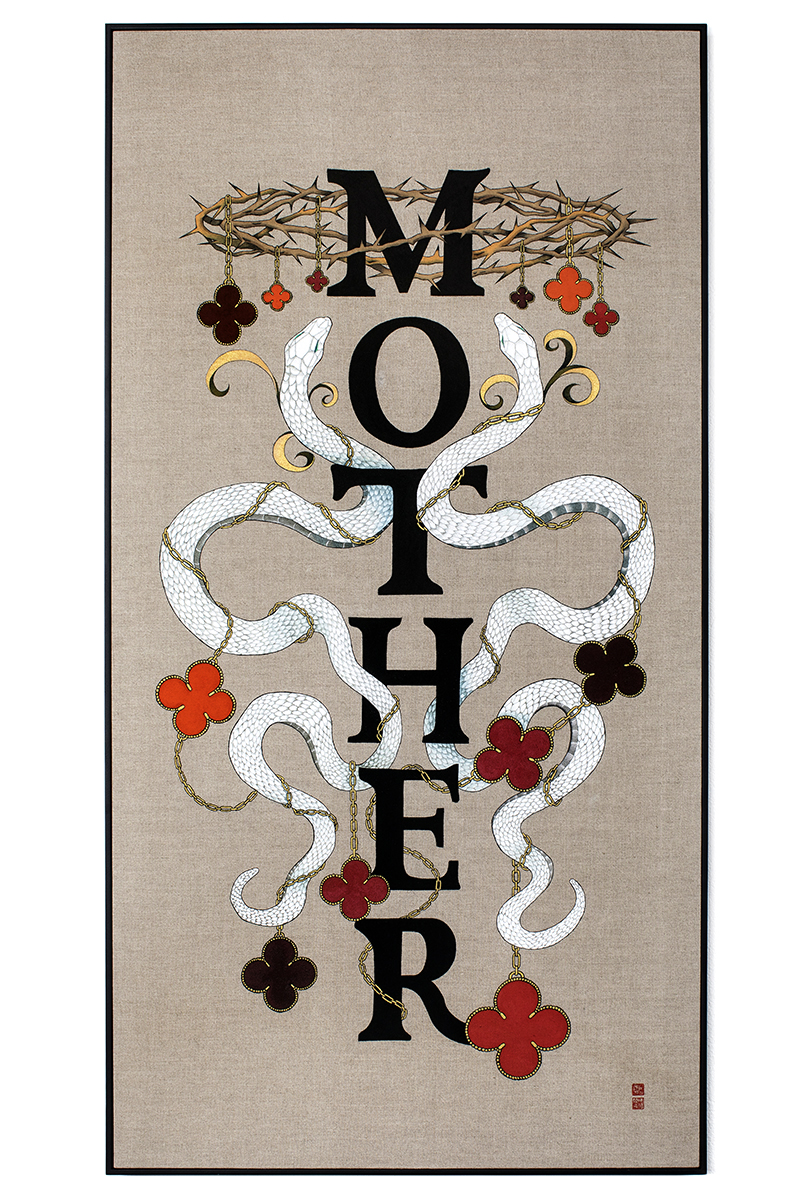
Mother
Read about this work
Mother shifts the structure of Munjado from inherited virtues toward a contemporary role that can hold devotion, expectation, labor, and identity at once. The density of symbolic imagery allows a single word to function as both an intimate identity and a larger social expectation.
 View larger
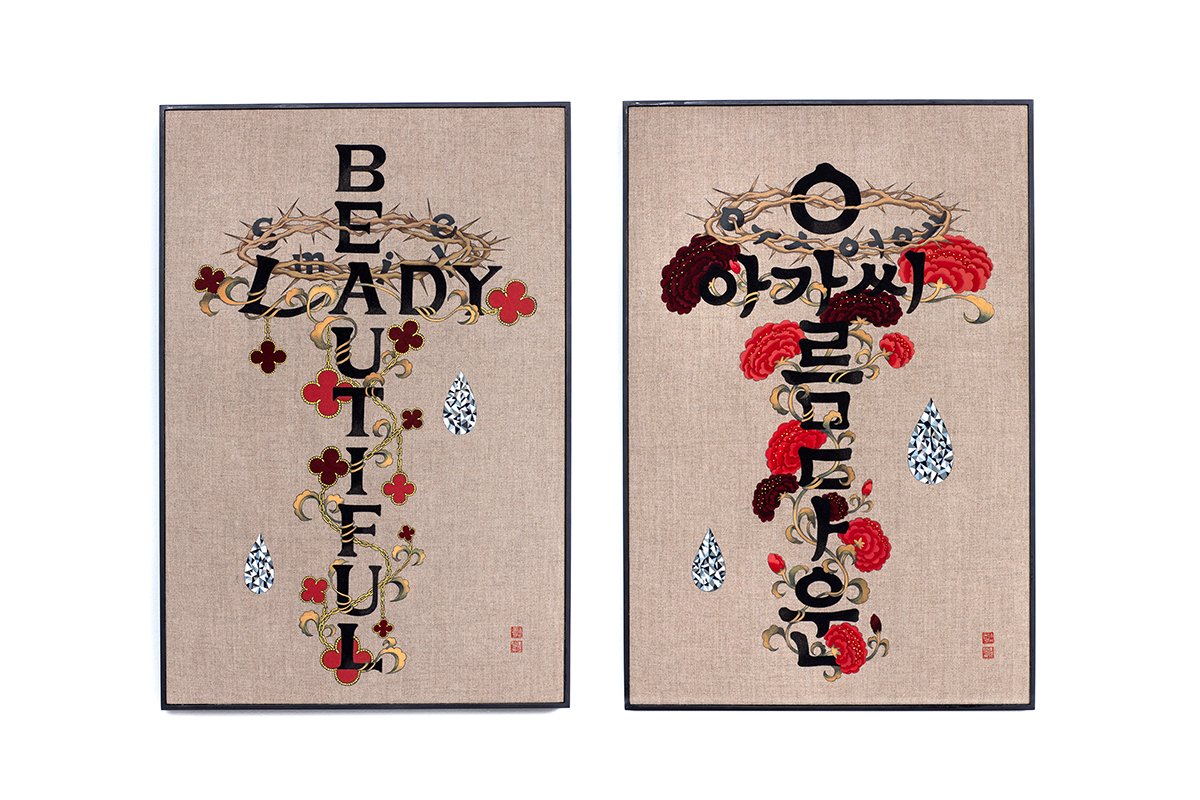
Beautiful Lady Smile & 아름다운 아가씨 웃어요
Read about this work
 View larger
We & 우리
Read about this work
 View larger
Hahn (한)
Read about this work
 View larger
Barbie
Read about this work
 View larger
쓸데없는 짓 (Waste of Time)
Read about this work
 View larger
쓸데없는 짓 (Waste of Time)
Read about this work
 View larger
돈 안되는 일 (A Job That Doesn't Pay You)
Read about this work
 View larger
Eternal Destruction
Read about this work
 View larger
Mother, Wife, and Artist
Read about this work
 View larger
엄마, 아내, 그리고 예술가 (Mother, Wife, and Artist)
Read about this work
 View larger
아티스트 (Artist)
Read about this work
 View larger
어린어른 (Immature Adult)
Read about this work
 View larger
독박육아 (Solo Parenting)
Read about this work
 View larger
WO-MAN Shines Pretty Strong (여인)
Read about this work
 View larger
Living (삶) & Knowing (앎)
Read about this work
 View larger
Modern Virtue in Script
Read about this work
 View larger
Traditional Virtue - Filial Piety, Fraternity, Fidelity, Reliance, Propriety, Righteousness, Integrity, Conscience
Read about this work
 View larger
Modern Virtue - Connection, Cleverness, Talent, Courage, Apperance, Ambition
Read about this work
 View larger
Relaxation & Ambition
Read about this work
 View larger
Resting & Dreaming
Read about this work
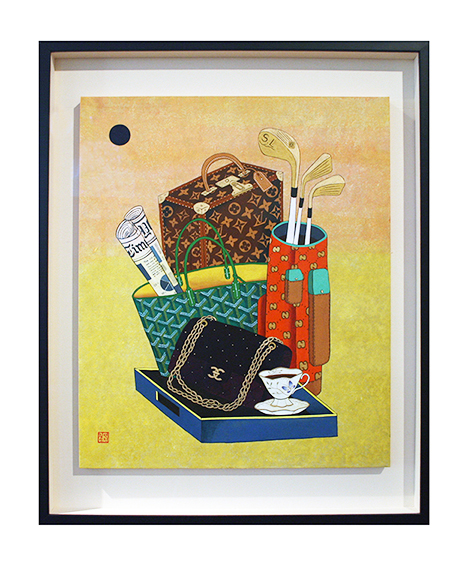
Chaekgeori
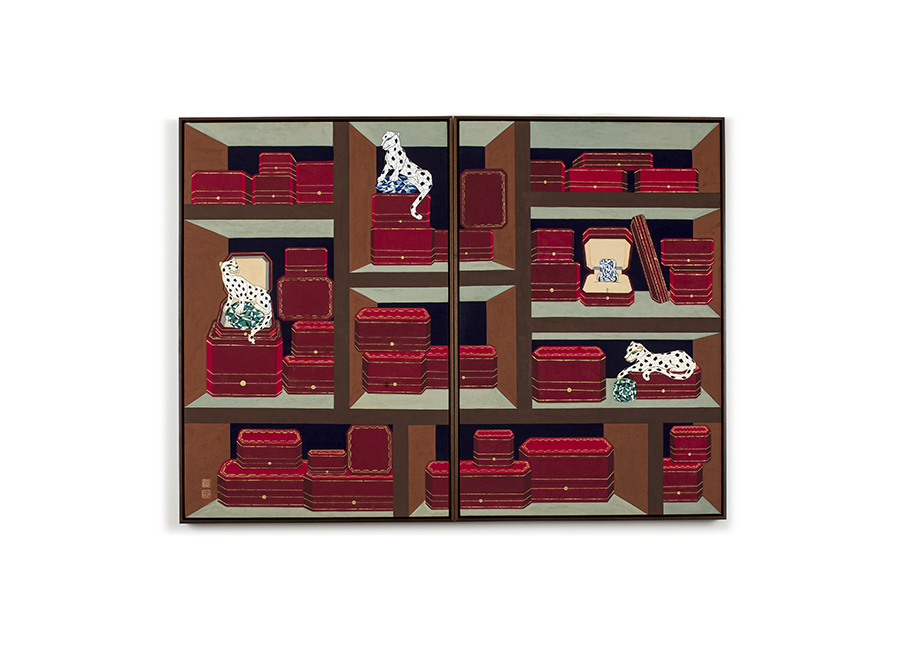
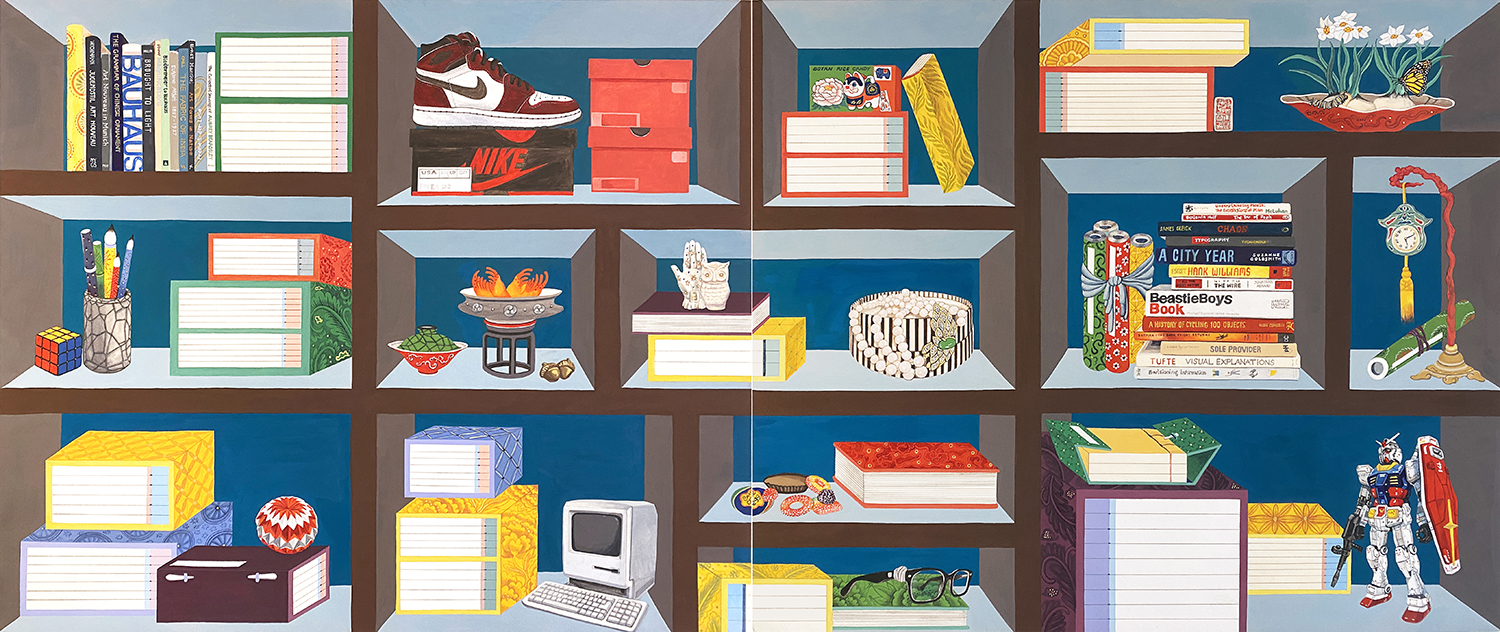
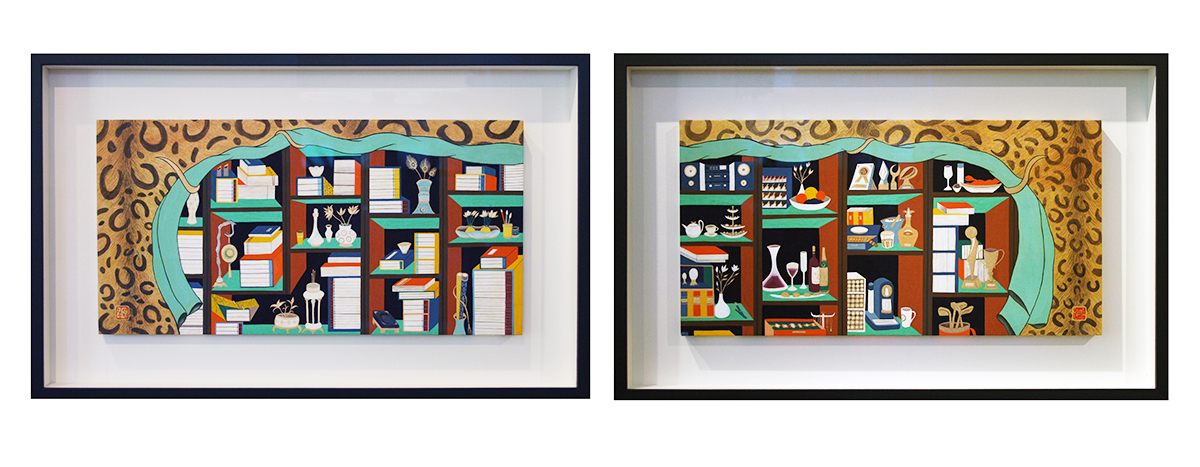
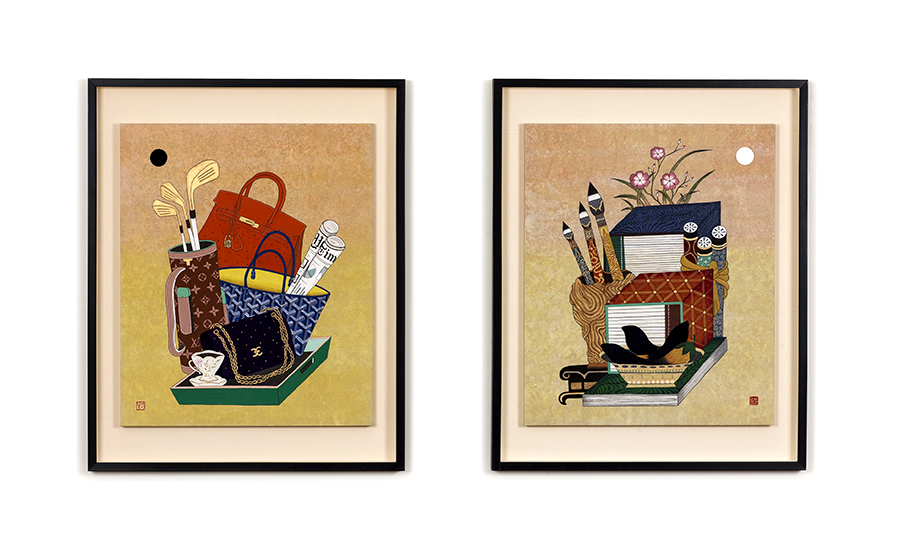
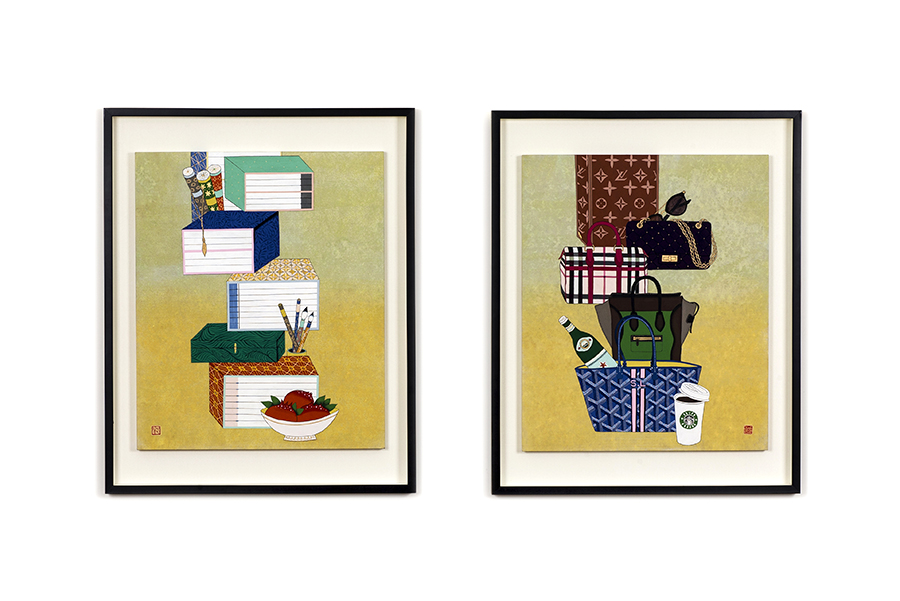
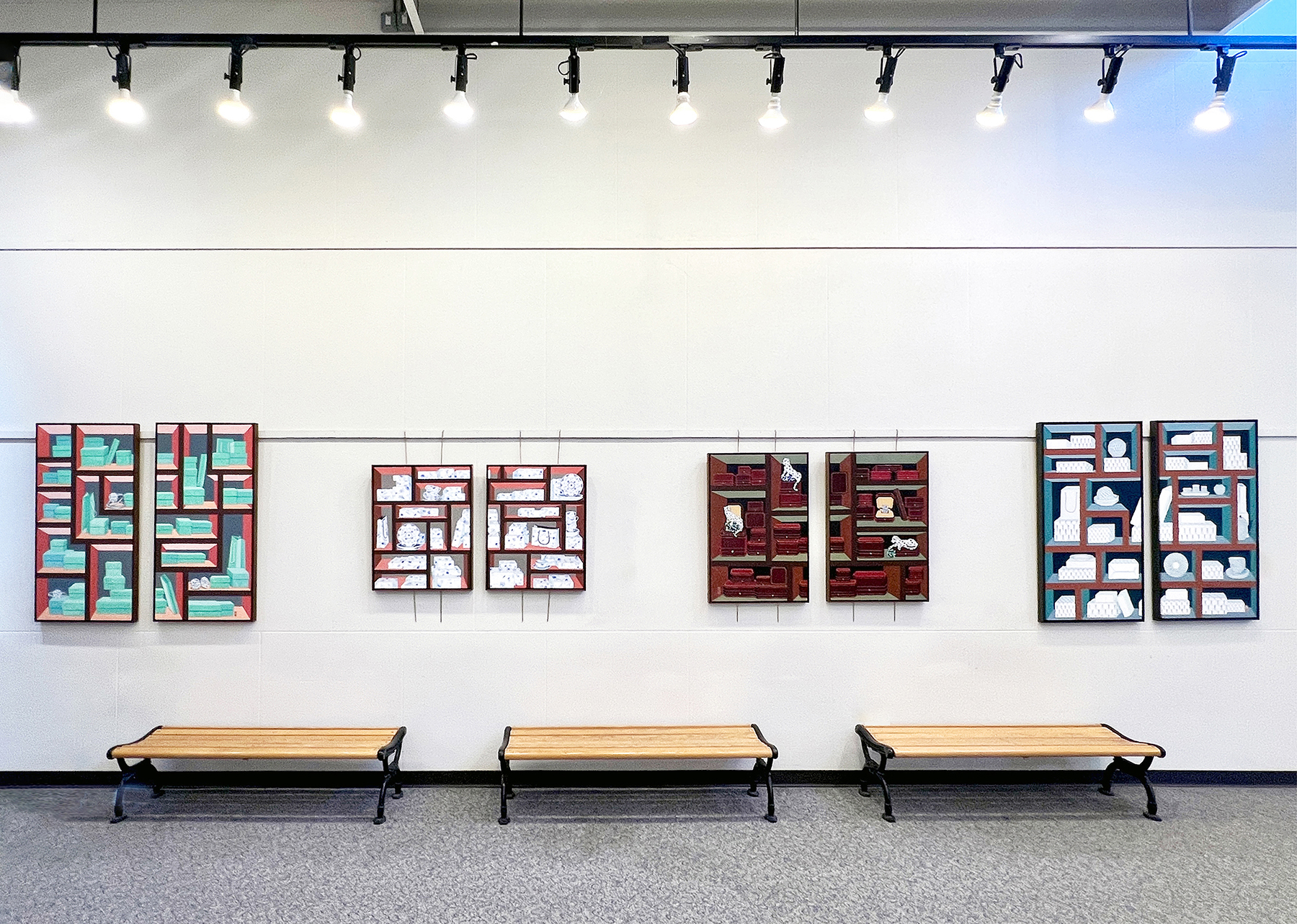
While my Munjado series reflects the self negotiating the demands of everyday life—as a woman, and as an individual shaped by responsibility, expectation, and struggle—my Chaekgeori series turns toward an imagined ideal: the life we aspire to build and the person we hope to become.
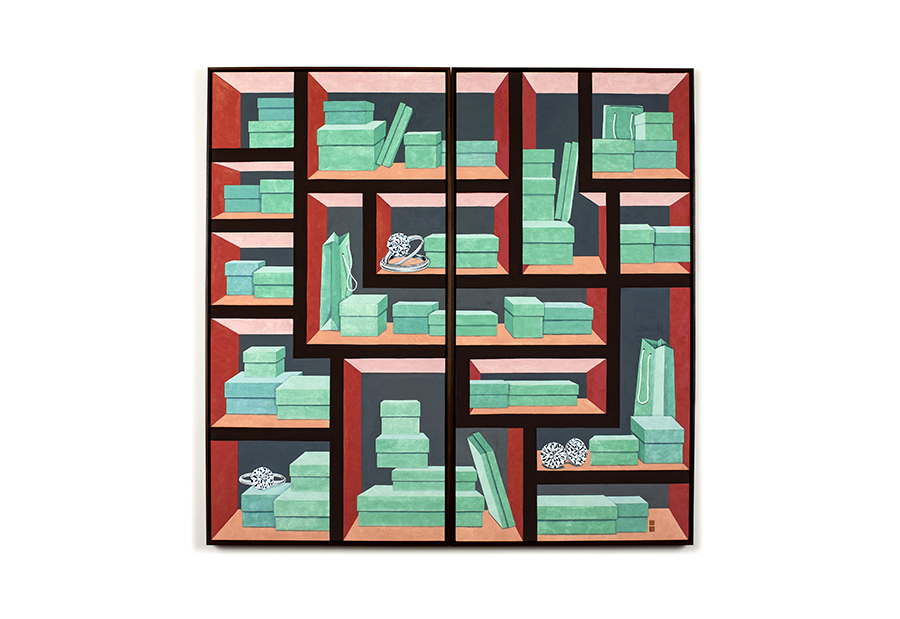
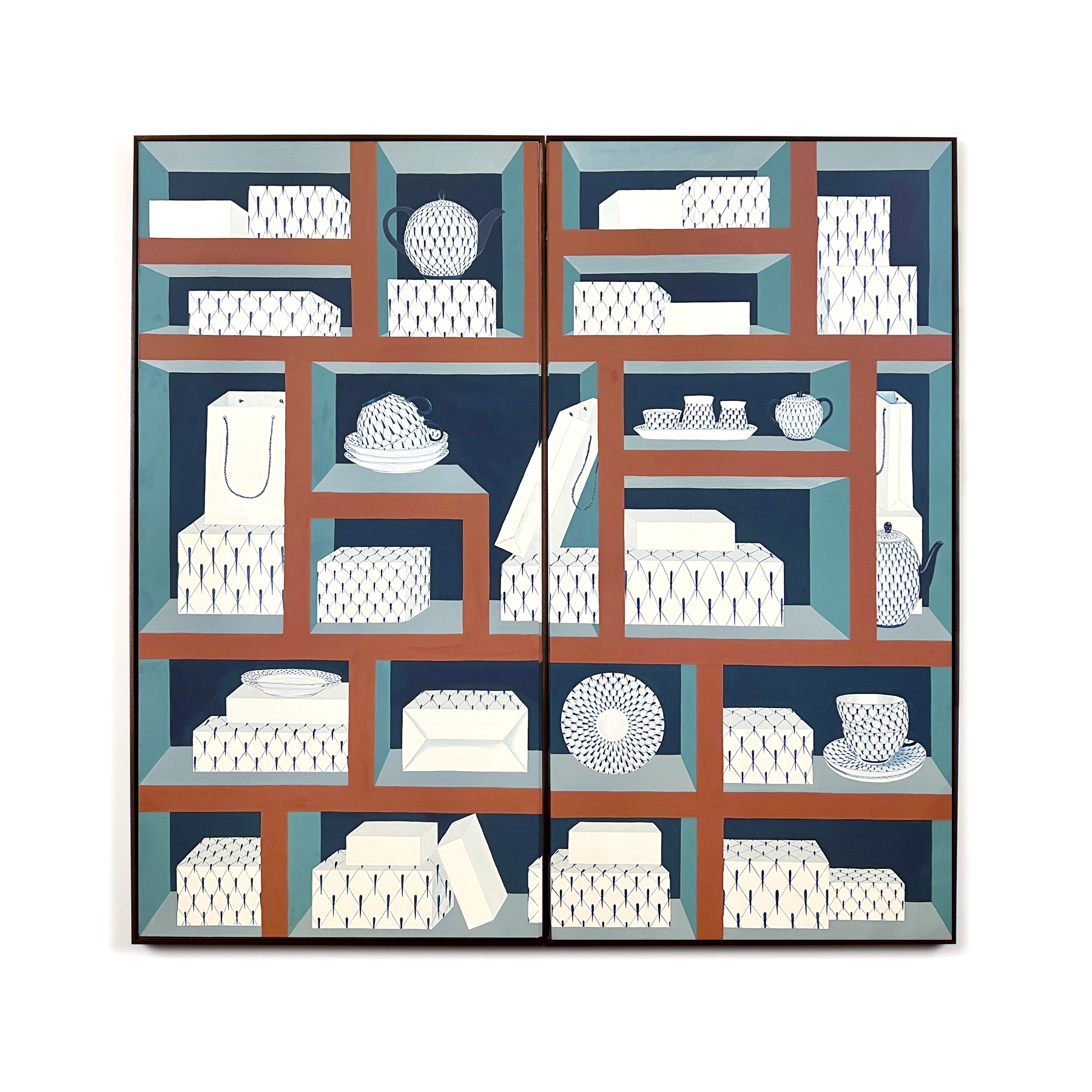
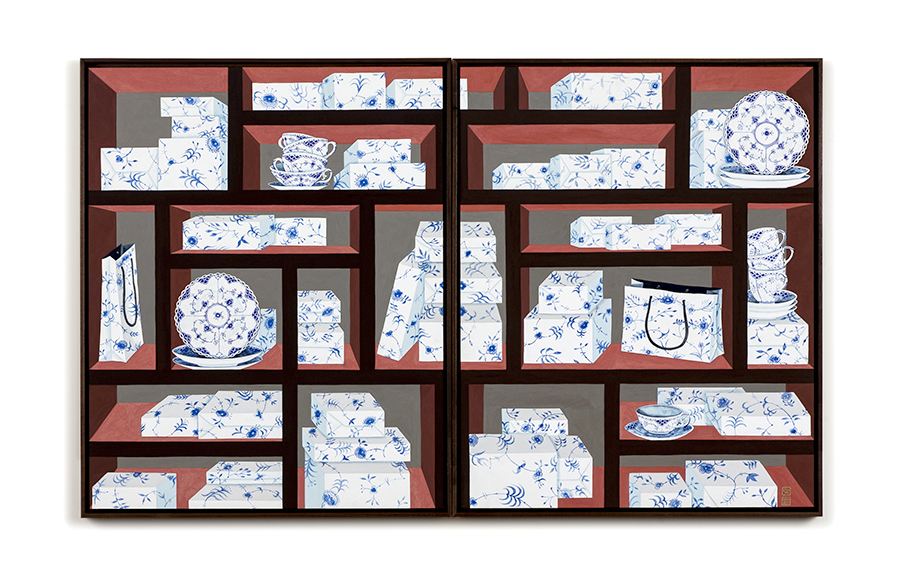
Traditional Chaekgeori gave visual form to aspirations for knowledge, cultivation, prosperity, and a well-lived life, through shelves filled with books and treasured objects. I borrow both the structure and its underlying impulse, reimagining the genre through the desires that define contemporary life: success, wealth, comfort, beauty, fulfillment. My shelves hold these objects while quietly questioning how such ideals are constructed, and at what cost they are pursued.
At the center of the series is a tension between aspiration and essence. The works consider what we accumulate, and the images of success we are taught to desire, while asking what remains once those external measures are stripped away. Within these carefully constructed spaces lies the possibility of pursuing an ideal life without losing one's inner center—holding onto what is essential while still reaching toward something beyond it.
 View larger
Cabinet of Desire I
Read about this work
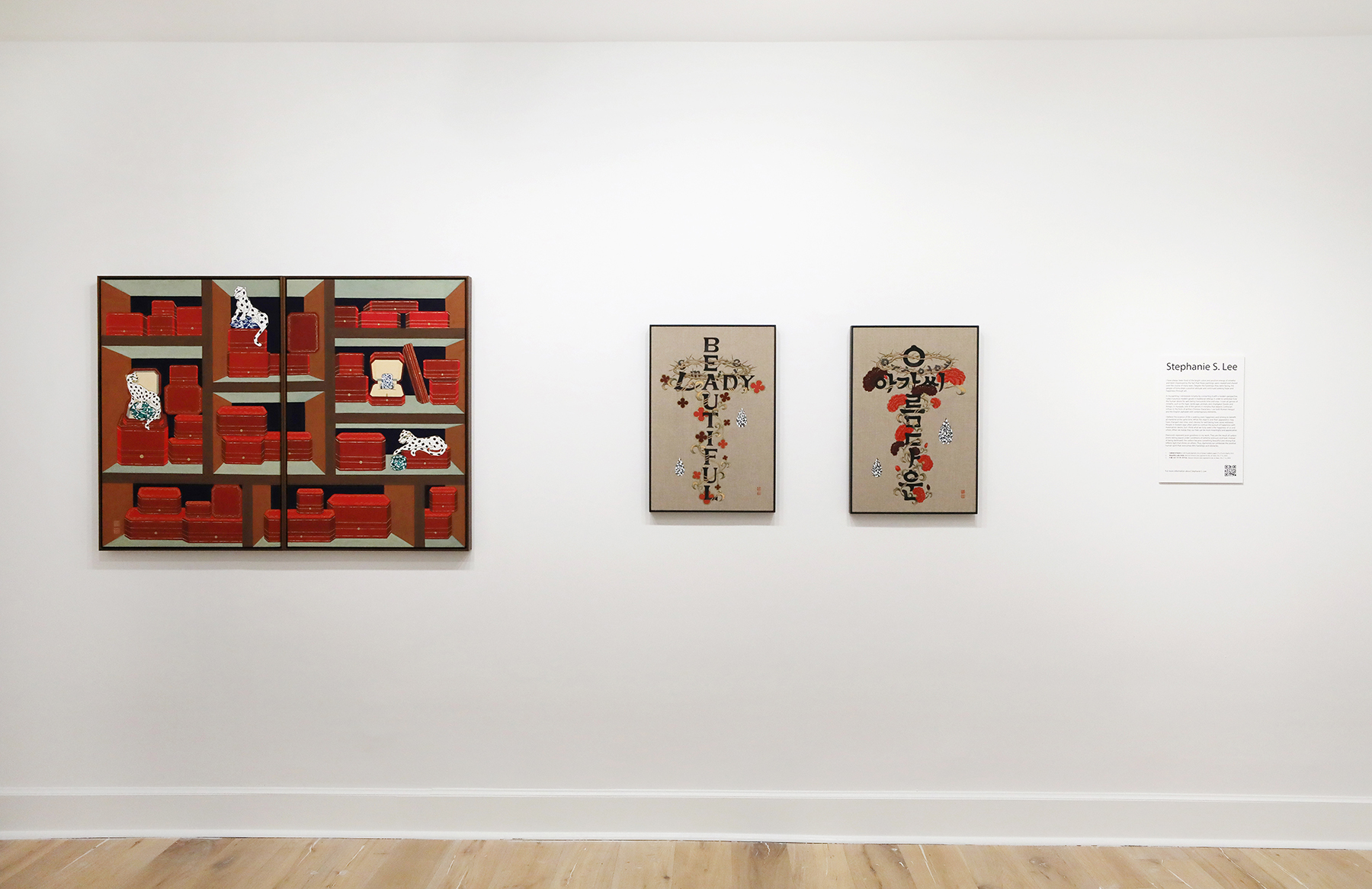
Cabinet of Desire I uses the shelf architecture of Chaekgeori as a framework for contemporary aspiration. Objects become more than possessions: they suggest ideas of security, recognition, memory, pleasure, and the changing ways people imagine a fulfilled life.
 View larger
Cabinet of Desire II
Read about this work
 View larger
Cabinet of Desire V
Read about this work
 View larger
Cabinet of Desire III
Read about this work
 View larger
Cabinet of Desire IV
Read about this work
 View larger
Collection & Modern Collection
Read about this work
 View larger
Modern Wish & Vernerable Wish
Read about this work
 View larger
Aspiration & Modern Aspiration
Read about this work
 View larger
Asset & Modern Asset
Read about this work
 View larger
Desire & Modern Desire
Read about this work
 View larger
Wish
Read about this work
 View larger
Affluence I, II, III, & IV
Read about this work
12 Animals
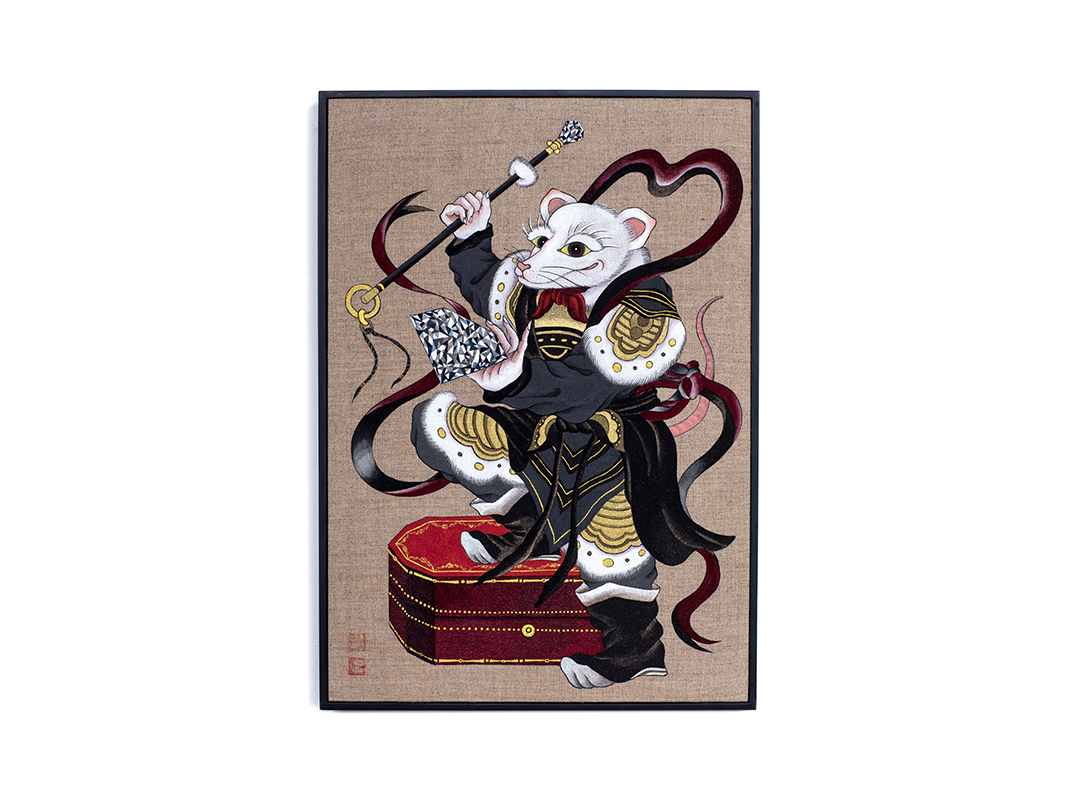
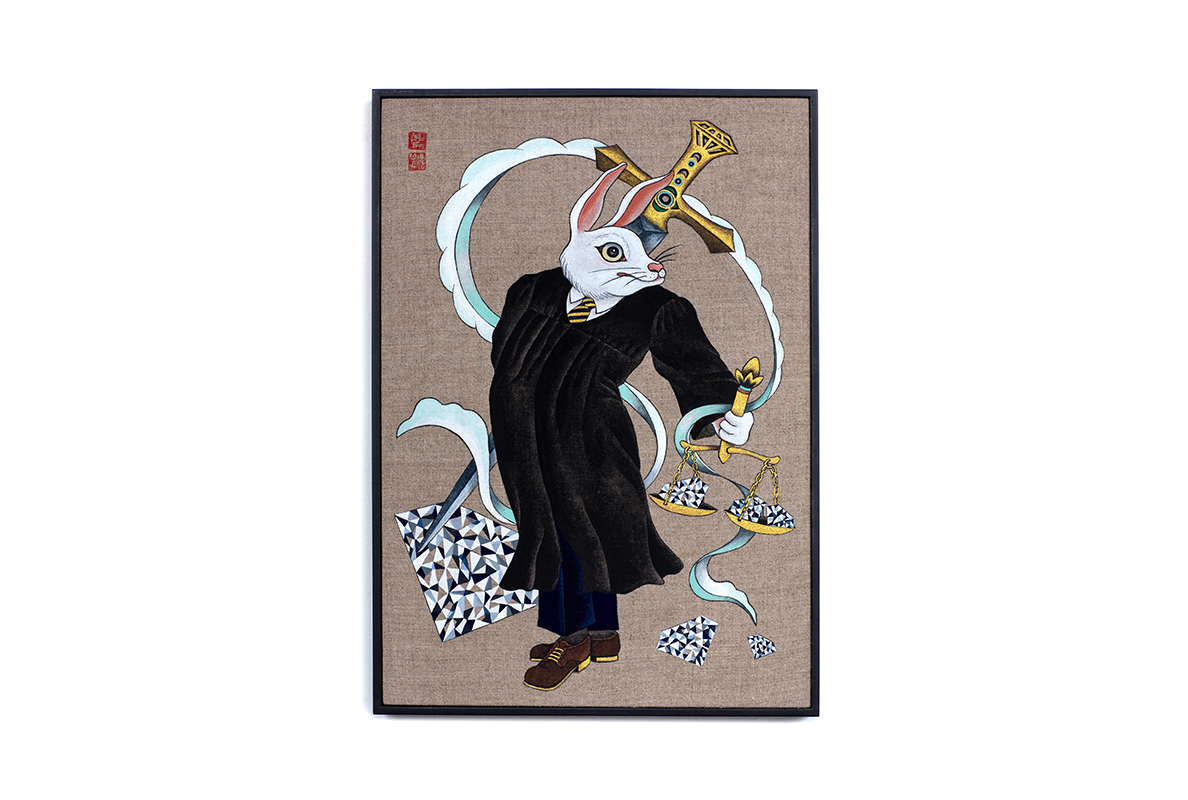
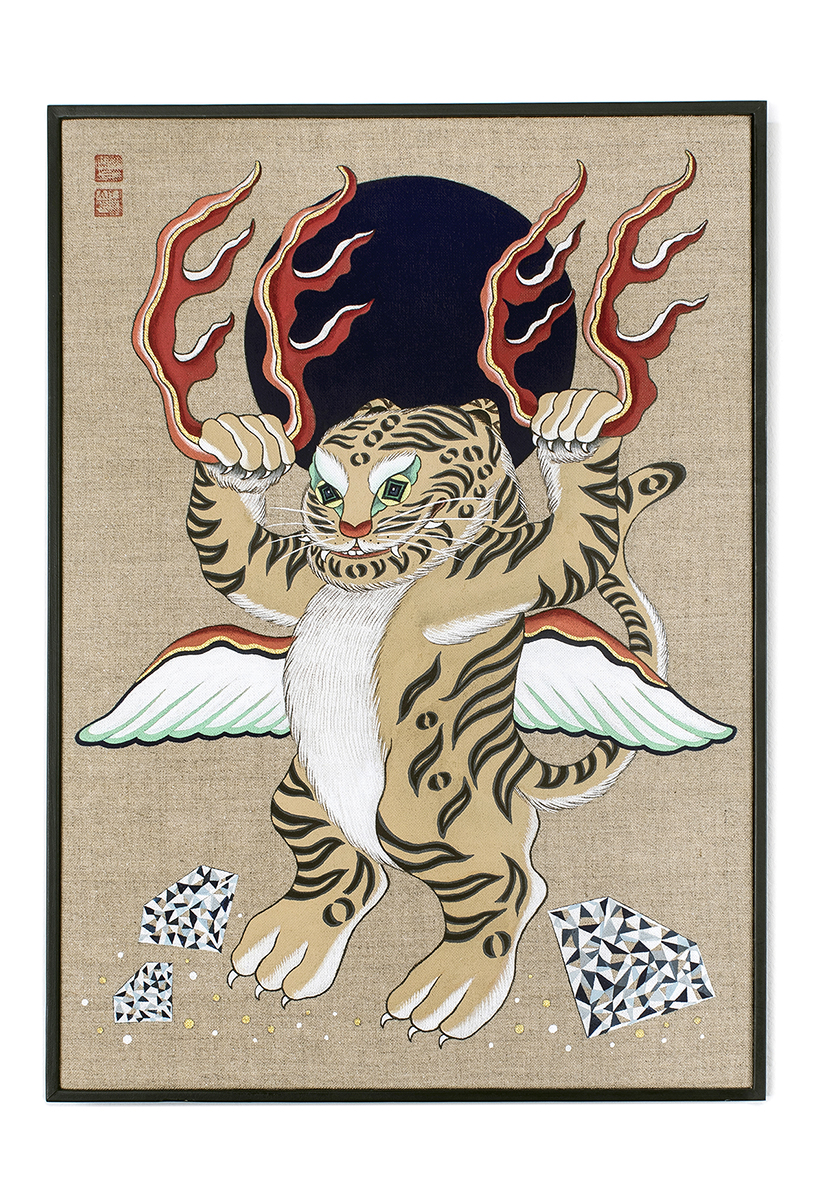
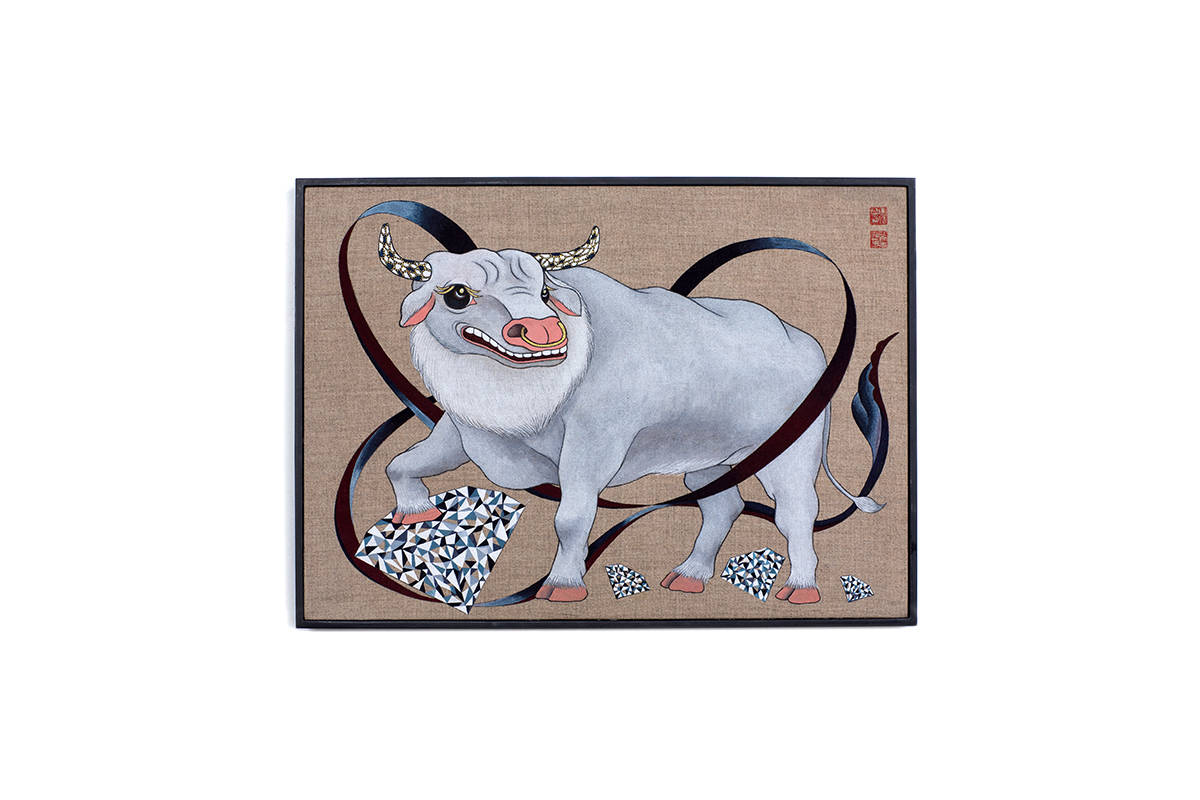
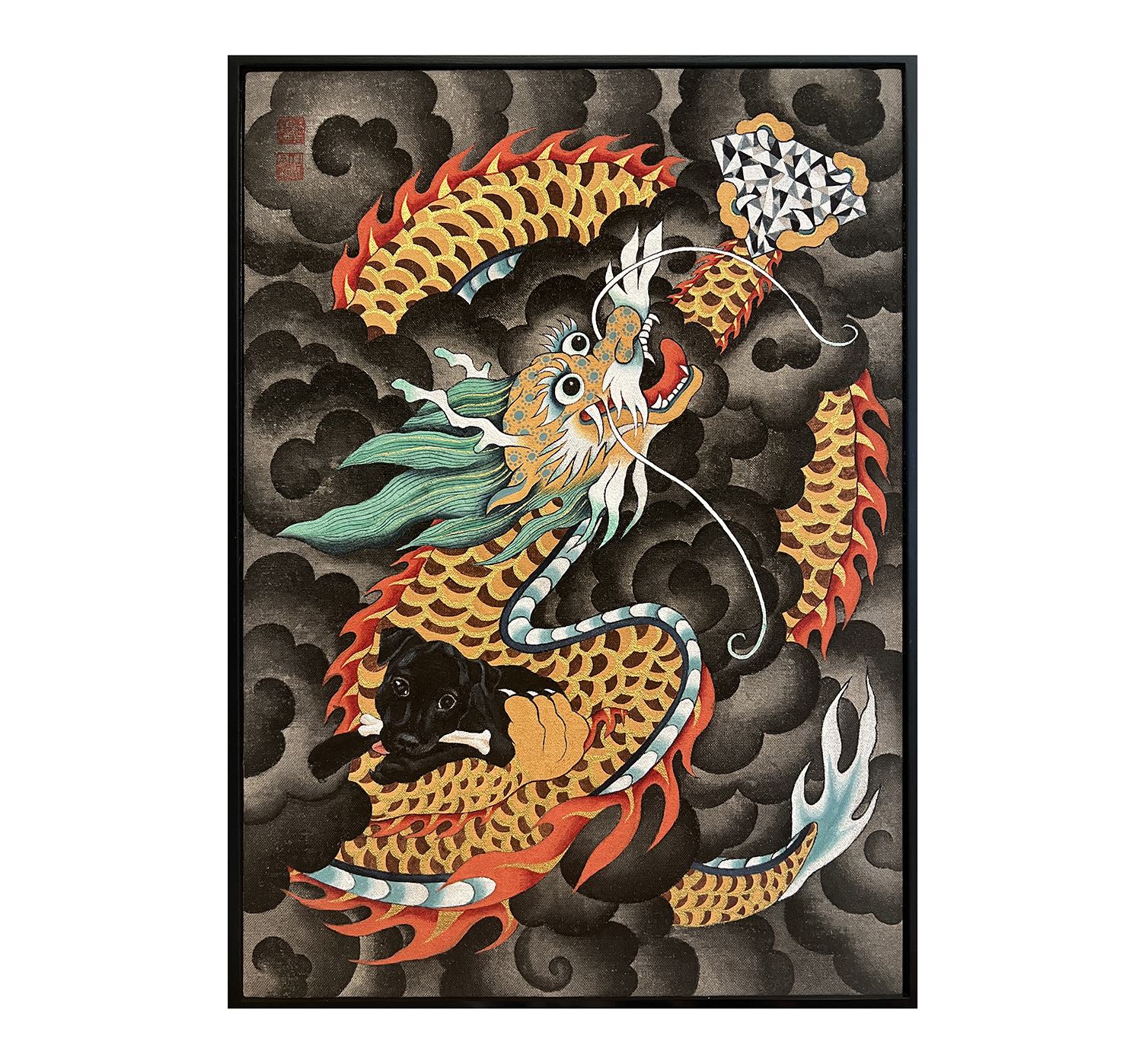
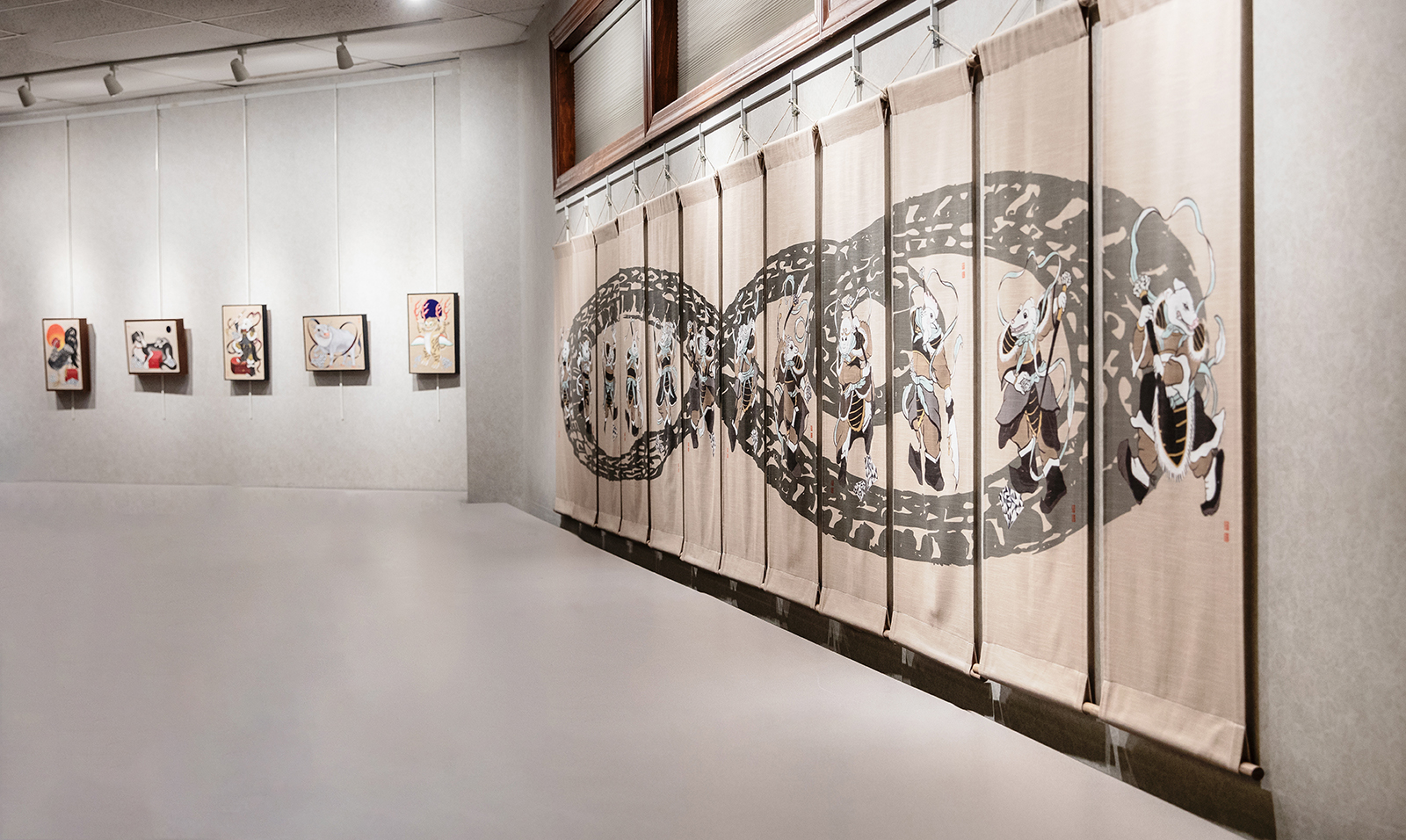
The Twelve Zodiac Guardians reflect the many selves we each carry. Rather than treating the animals as fixed symbols of personality or fortune, I imagine them as individual characters—distinct temperaments moving through the same shared conditions of life.
Presented as traditional warrior figures, the guardians embody how we move through the everyday world: as if entering a battlefield, confronting responsibility, uncertainty, conflict, loss, and change one day at a time. Their armor suggests not invulnerability, but the strength we assemble in order to continue.
Together, the twelve animals form a collective portrait of the self. Each meets the world differently—through courage, protection, endurance, vulnerability, renewal, or companionship—and in their differences, they trace the varied ways we survive, adapt, and carry on.
 View larger
The Blue Snake
Read about this work
 View larger
Rise of the Little Guardian
Read about this work
 View larger
Cure for All
Read about this work
 View larger
Equity for All
Read about this work
 View larger
Justice for All
Read about this work
 View larger
Breaking a New Dawn
Read about this work
 View larger
Royal Companion
Read about this work
 View larger
Begin Again
Read about this work
 View larger
The Year of White Ox
Read about this work
 View larger
The Year of White Ox
Read about this work
 View larger
The Twelve
Read about this work
Tigers
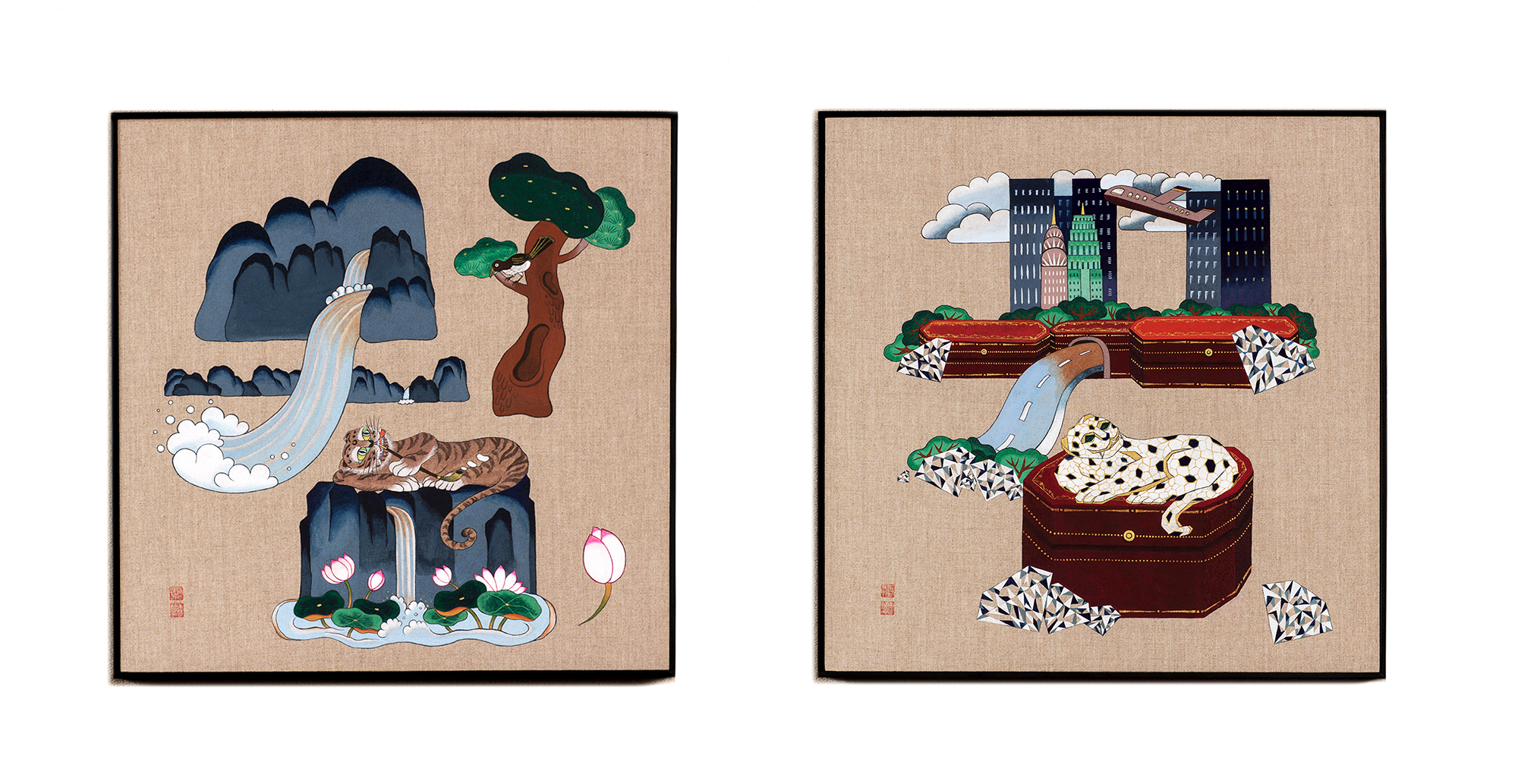
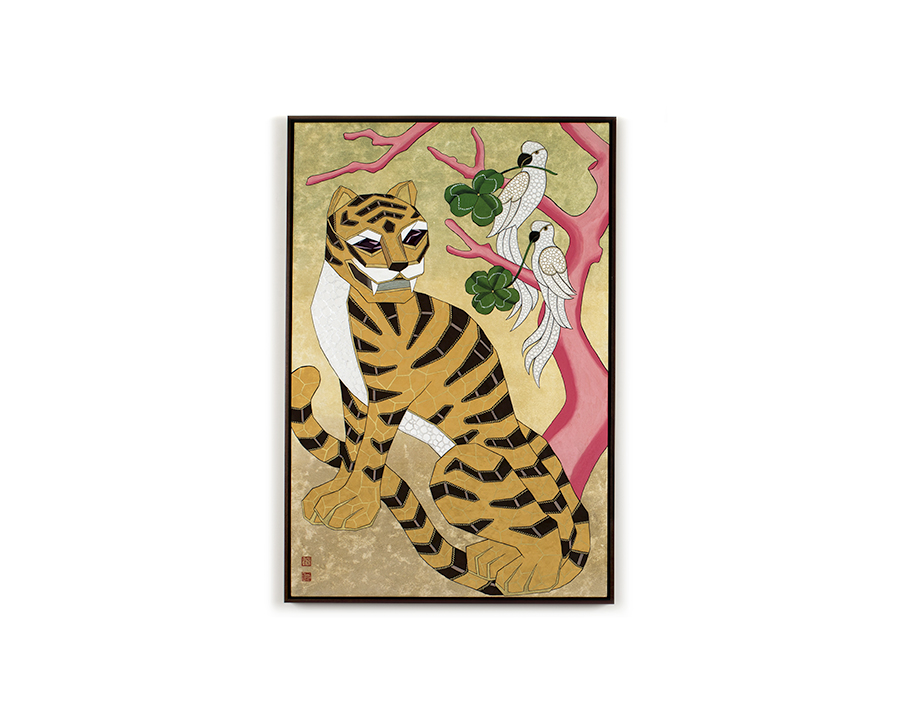
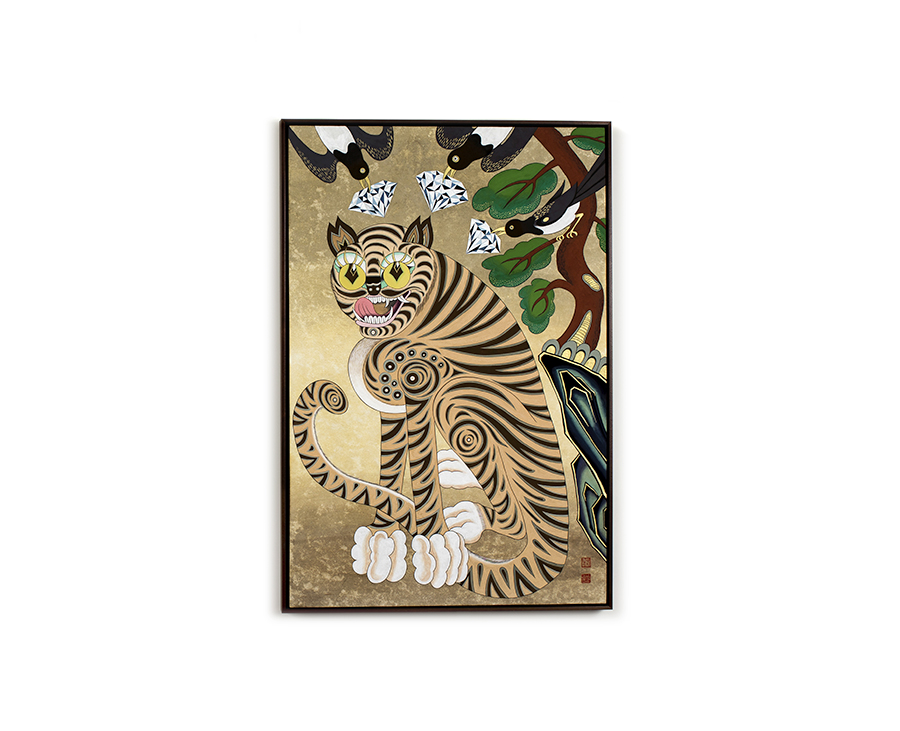
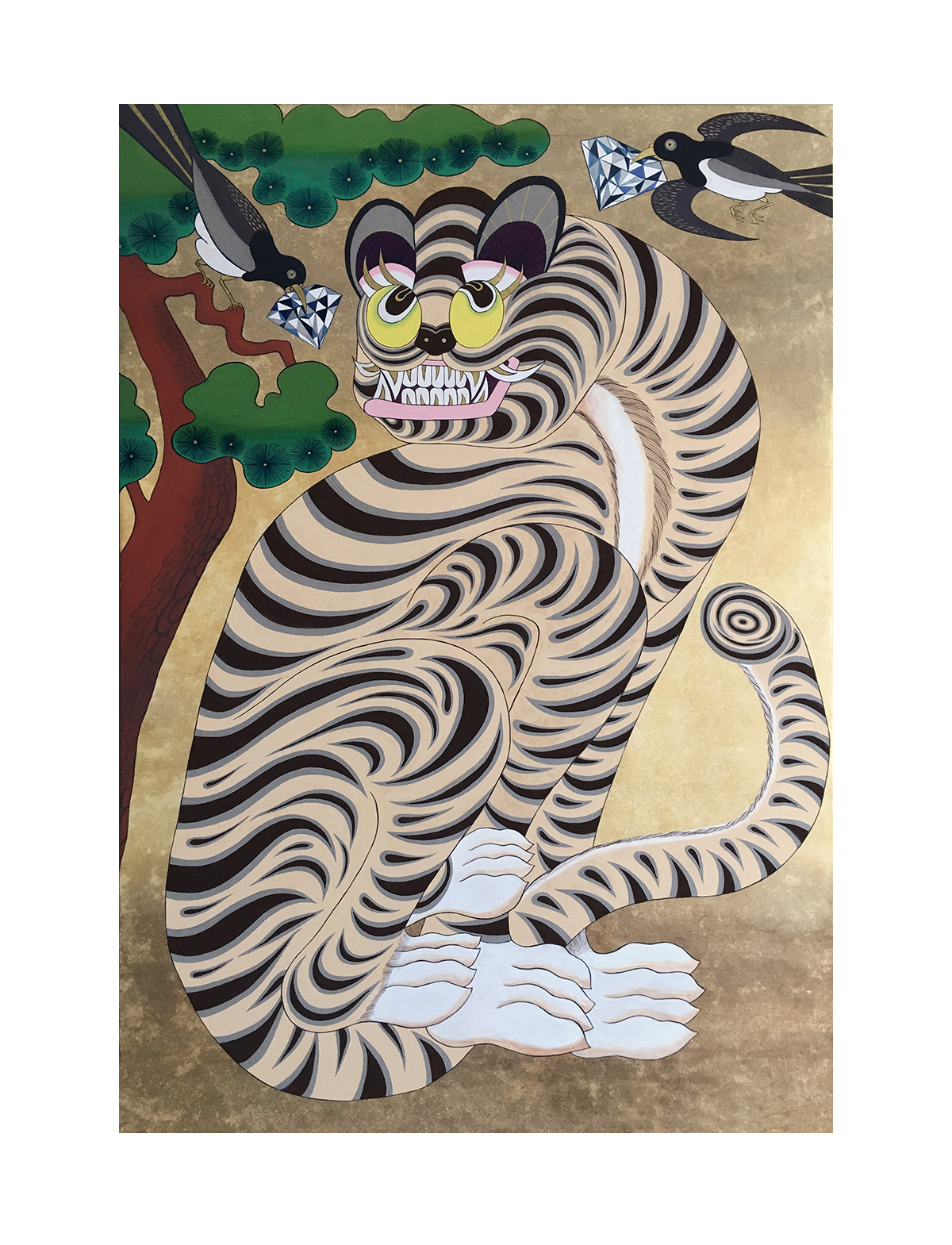
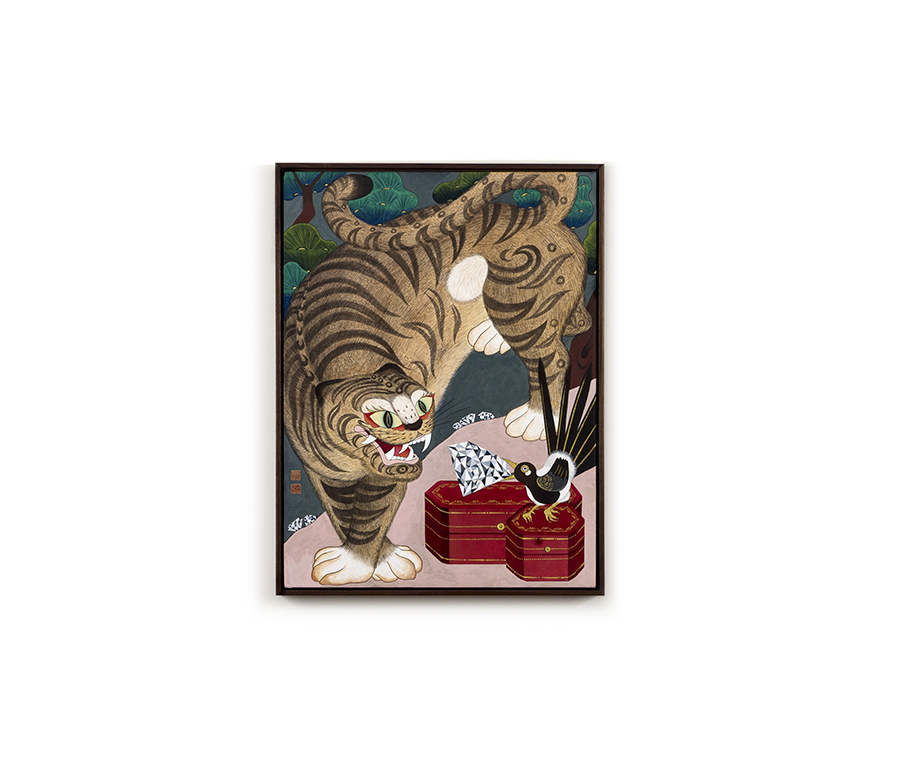
The series begins with the traditional pairing of tiger and magpie—Hojakdo—in which the tiger wards off misfortune and the magpie announces good news. Rather than simply reproducing this pairing, I bring the two figures into the present, asking what protection and fortune might mean within contemporary life.
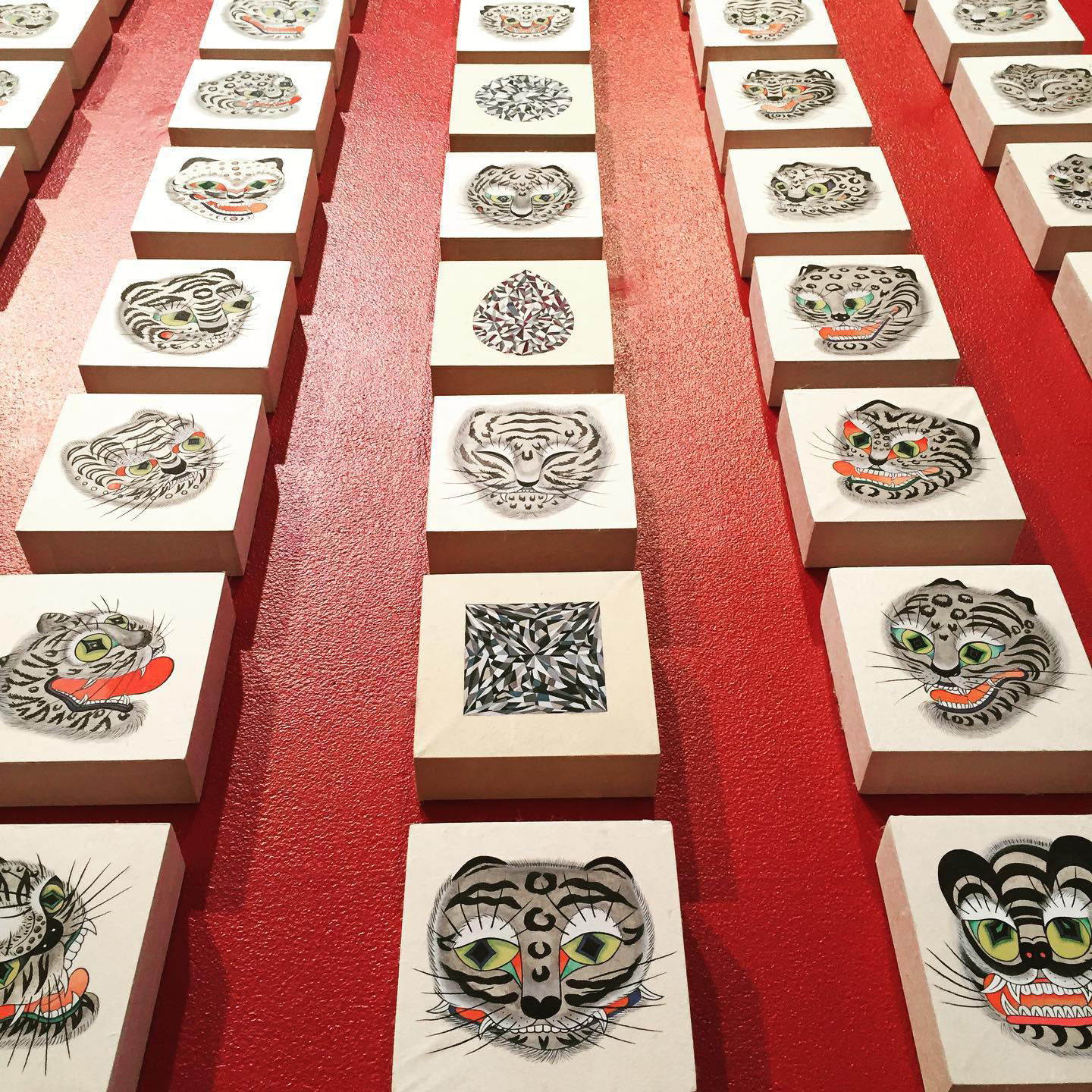
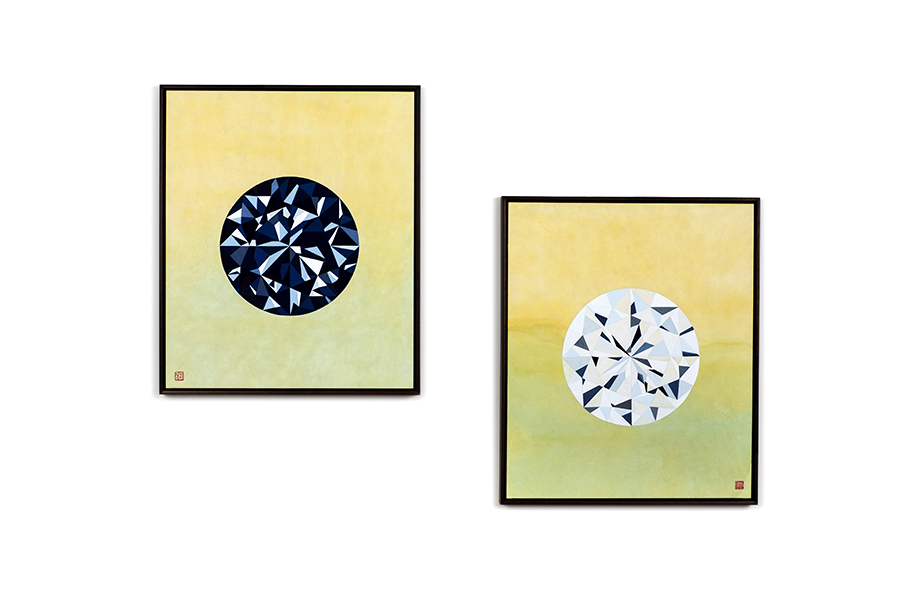
Diamonds appear alongside the tigers as an extension of the symbolic language developed in my Munjado series. The diamond represents something essential formed through adversity—a crystalline structure produced under immense pressure. Paired with the tiger, it shifts the idea of strength away from dominance and toward resilience: the inner value that emerges through endurance.
The tiger also carries a more personal attraction. I am drawn to its quiet strength and independence—to an animal that does not depend upon the security of a group. At the same time, it can feel strangely human: vulnerable yet formidable, moving through uncertainty while carrying its own capacity for survival. By returning the tiger and magpie to a contemporary setting, I want to reconsider these inherited symbols as living figures rather than images belonging only to the past.
 View larger
Gold Tiger with Clover
Read about this work
 View larger
Korean Tiger Awaiting Fortune under a Pine Tree
Read about this work
 View larger
Jaguar with Lotus
Read about this work
 View larger
Korean Tiger with Diamonds
Read about this work
 View larger
108 Thoughts - Tiger & Gem
Read about this work
Selected Earlier Works
These works trace the development of recurring themes within my practice, including cultural translation, family, everyday experience, symbolic imagery, aspiration, and identity. They reflect earlier stages of my engagement with Korean visual traditions and provide context for the ideas and visual language that continue to evolve in my current work.
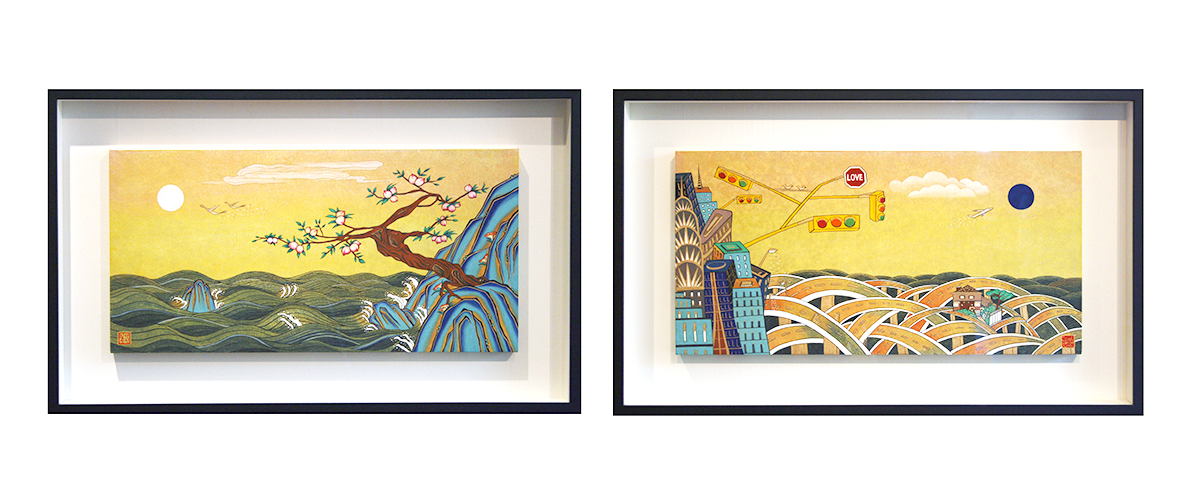
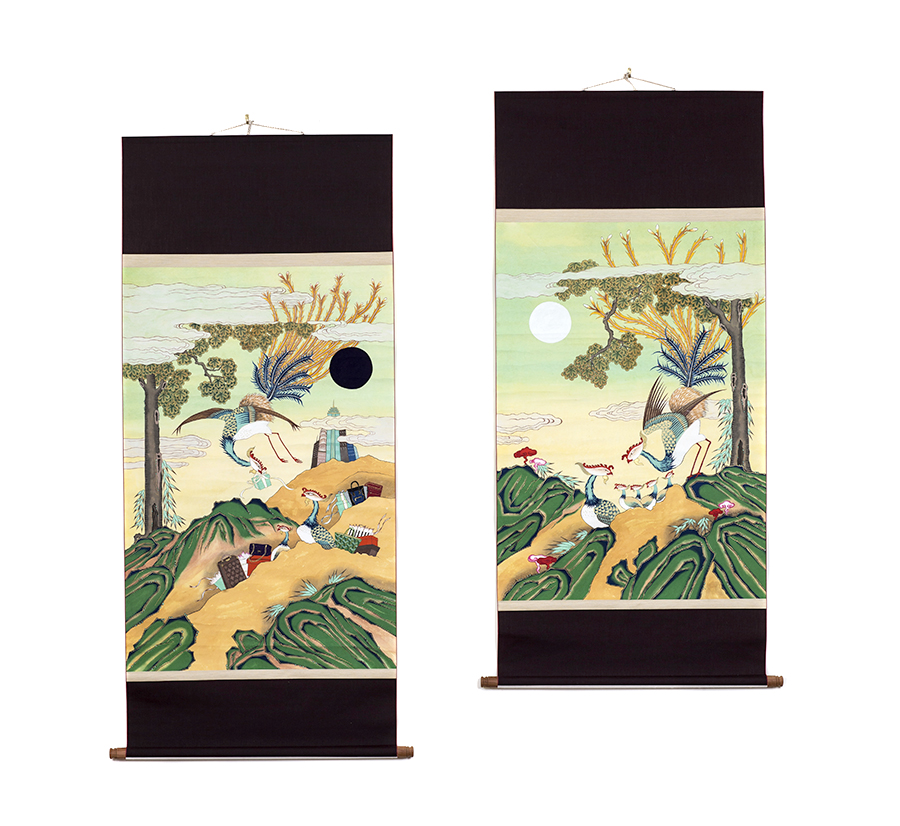
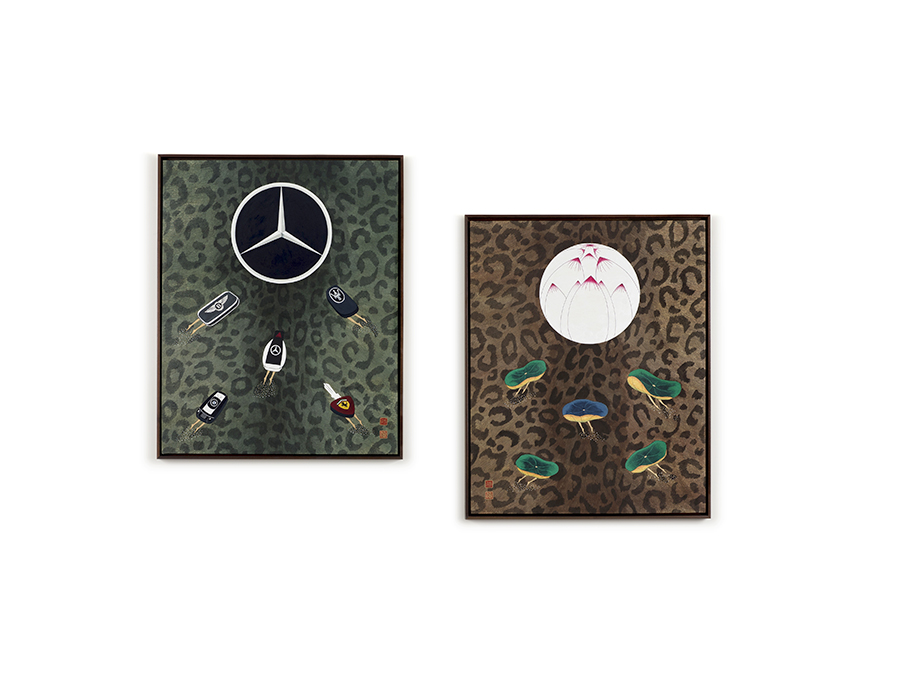
East in West
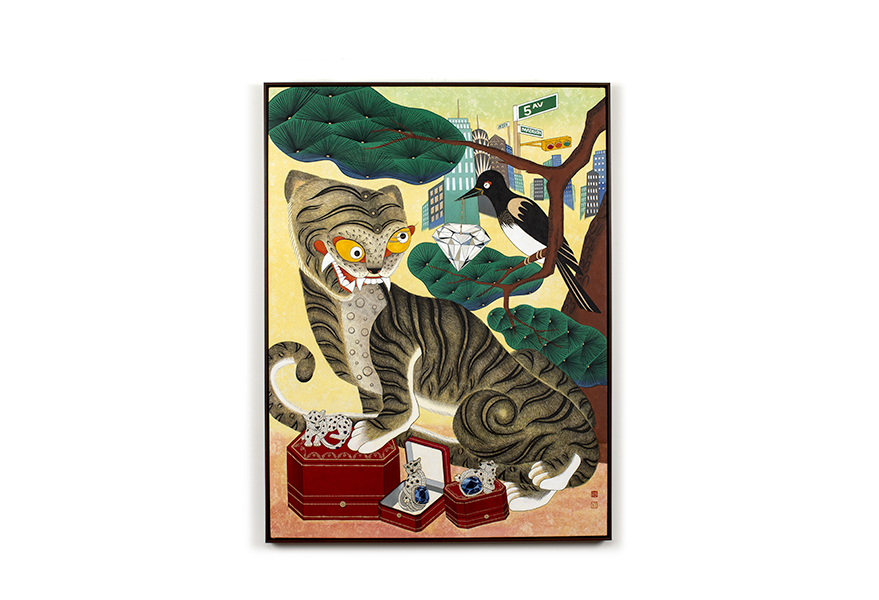
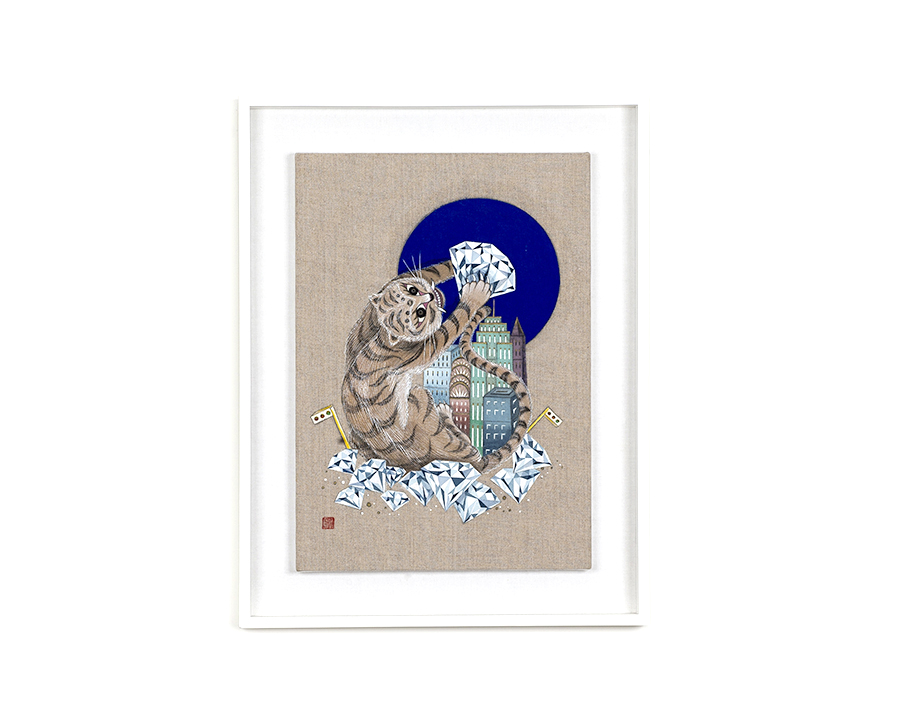
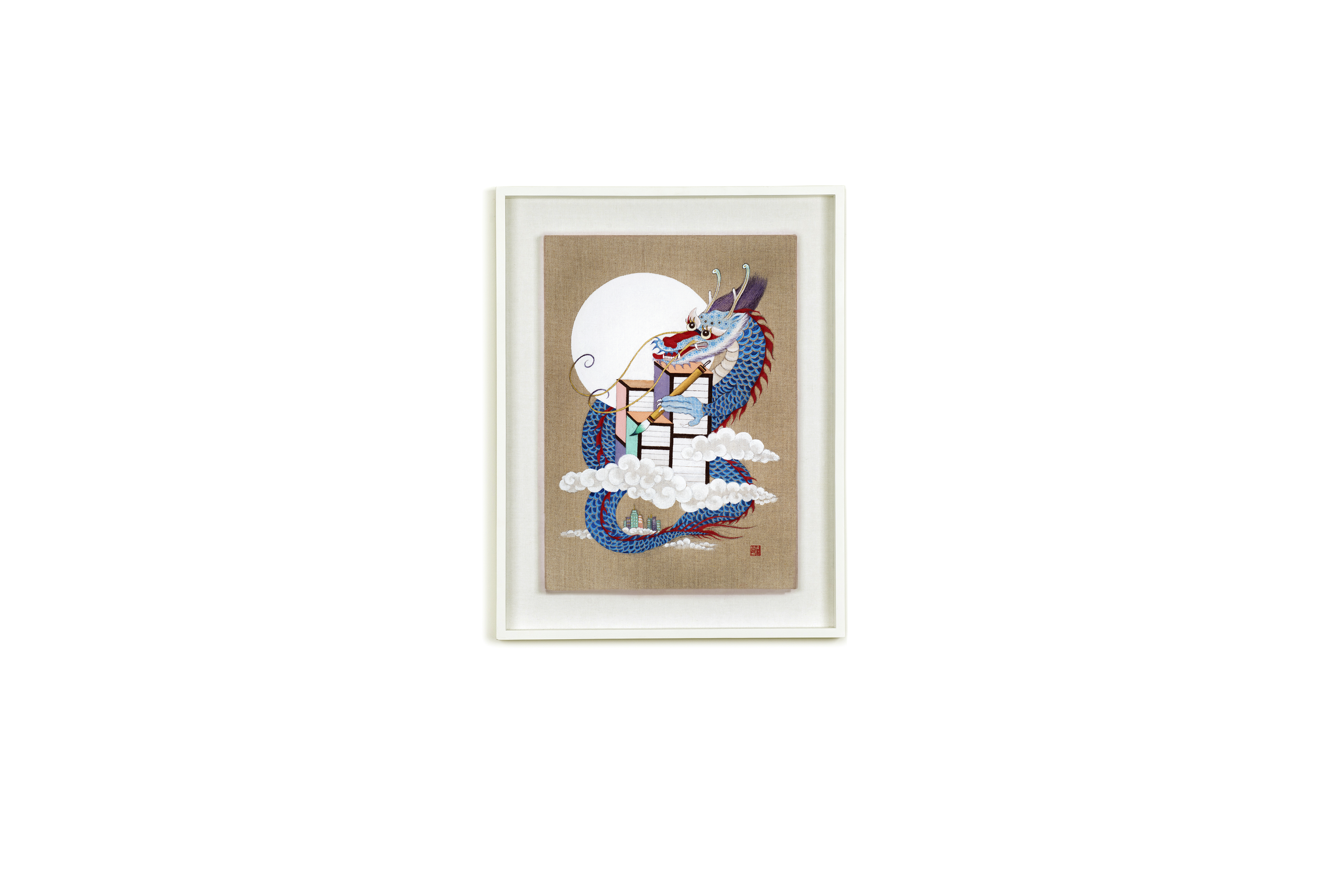
East in West traces an earlier period in which I worked more directly with cultural translation—placing Korean folk-art imagery in conversation with the visual language, objects, family structures, and urban experiences of life in the United States.
Seen from the perspective of the current practice, these works are an important bridge. They establish many of the contrasts and symbolic pairings that later developed into the Munjado, Chaekgeori, zodiac, and tiger series.
 View larger
Traditional Wish
Read about this work
 View larger
eastinwest_ascension
Read about this work
 View larger
Tiger and Magpie
Read about this work
 View larger
Blossom
Read about this work
 View larger
Traditional Cat & Modern Cat
Read about this work
 View larger
City Tiger Awaiting Good News
Read about this work
 View larger
Daughter, My Future
Read about this work
 View larger
Mother, My History
Read about this work
 View larger
City
Read about this work
 View larger
Lily Pond & City Pond
Read about this work
 View larger
Dream City
Read about this work
 View larger
Connection & Relationship
Read about this work
 View larger
Gem & Stone
Read about this work
 View larger
Modern Family & Traditional Family
Read about this work
 View larger
Nu Piece & New Peace
Read about this work
 View larger
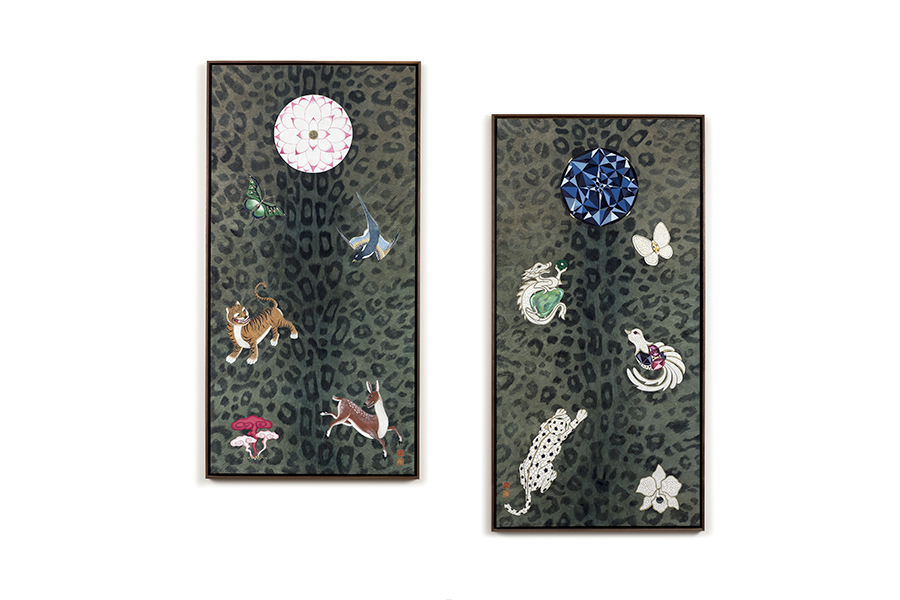
Natural Pattern & Haute Pattern
Read about this work
 View larger
Dream Chasing I & II
Read about this work
 View larger
Haute Chasing I & II
Read about this work
 View larger
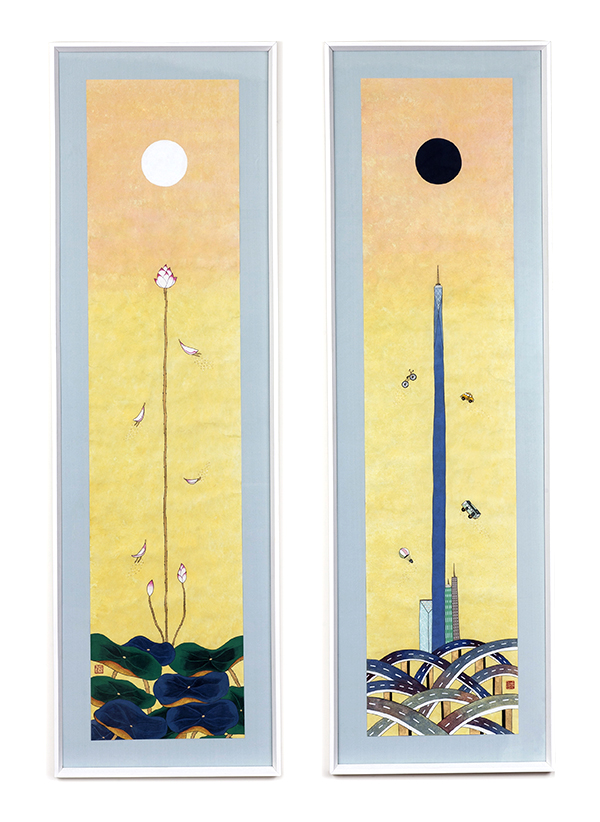
Where have flowers bloomed though been never wet? Even those most brightly sparkling were soaked and soaked again as they blossomed.
Read about this work
 View larger
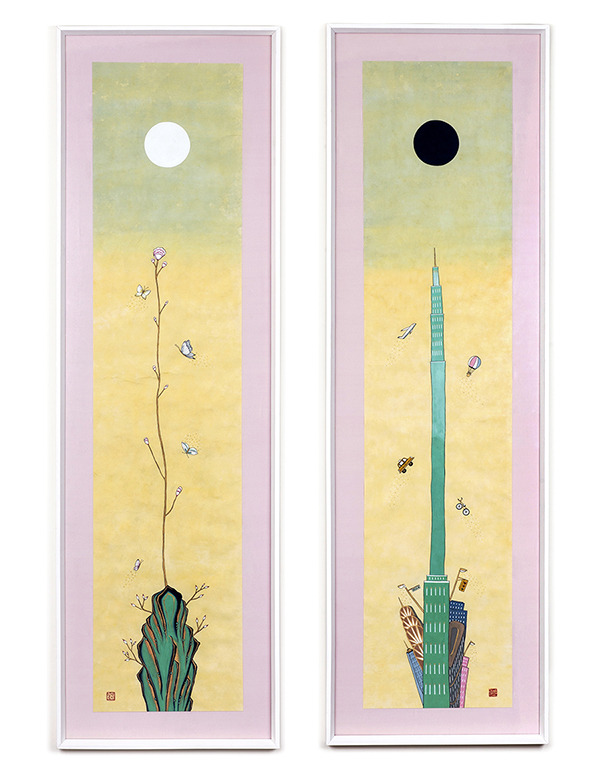
Even those most beautiful all trembled as they blossomed. And as they shook, stalks grew firm.
Read about this work
 View larger
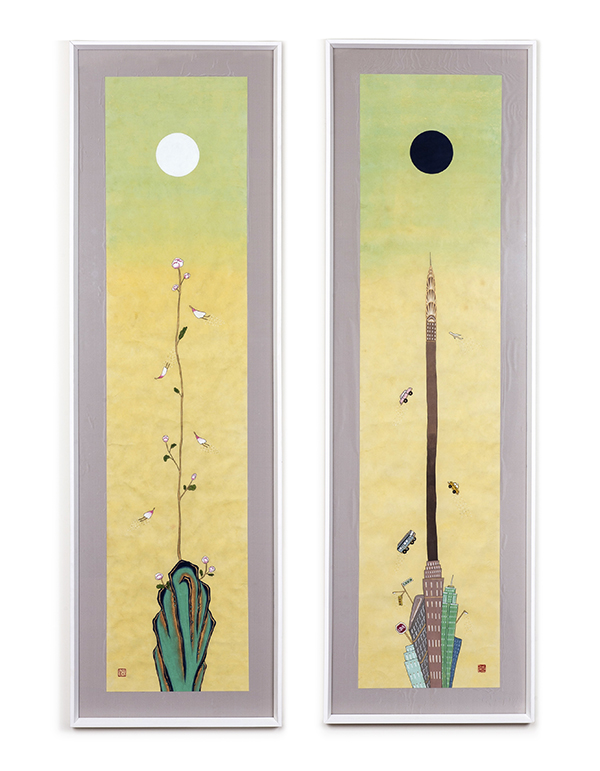
Where have flowers bloomed but never trembled? Where is there a life which is never drenched?
Read about this work
Everyday
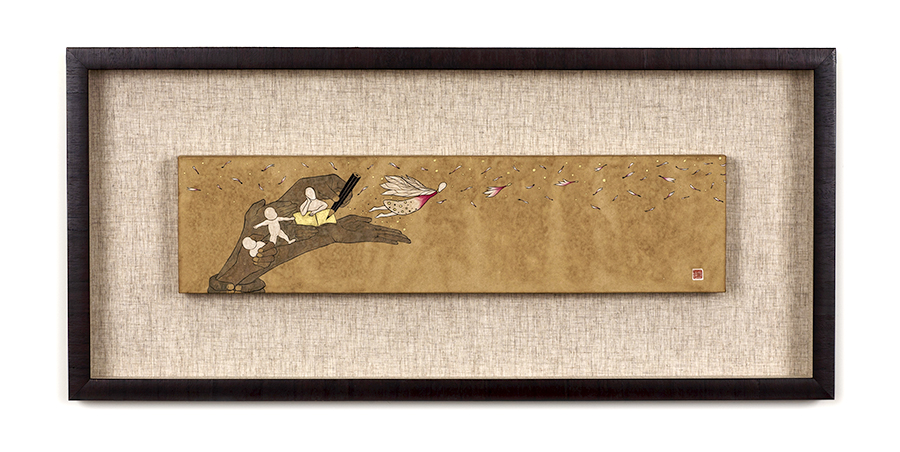
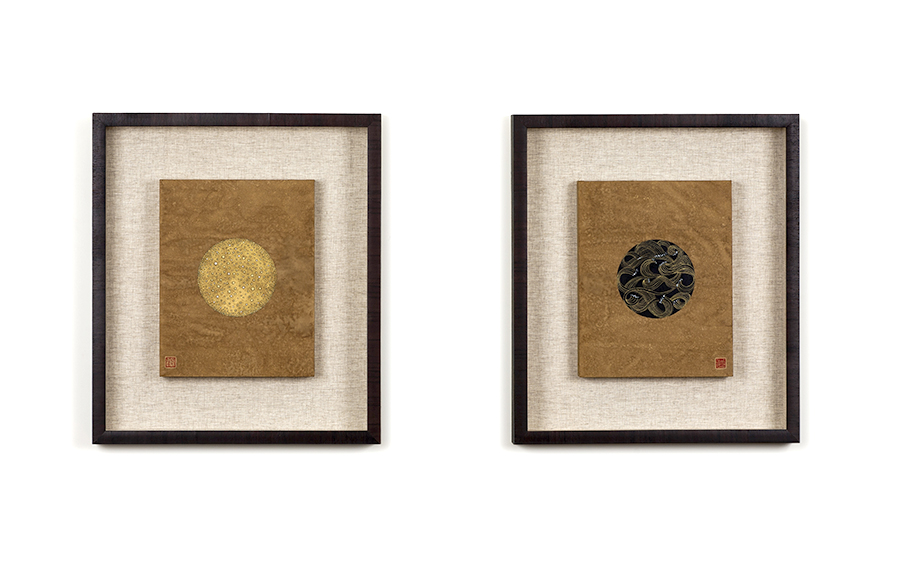
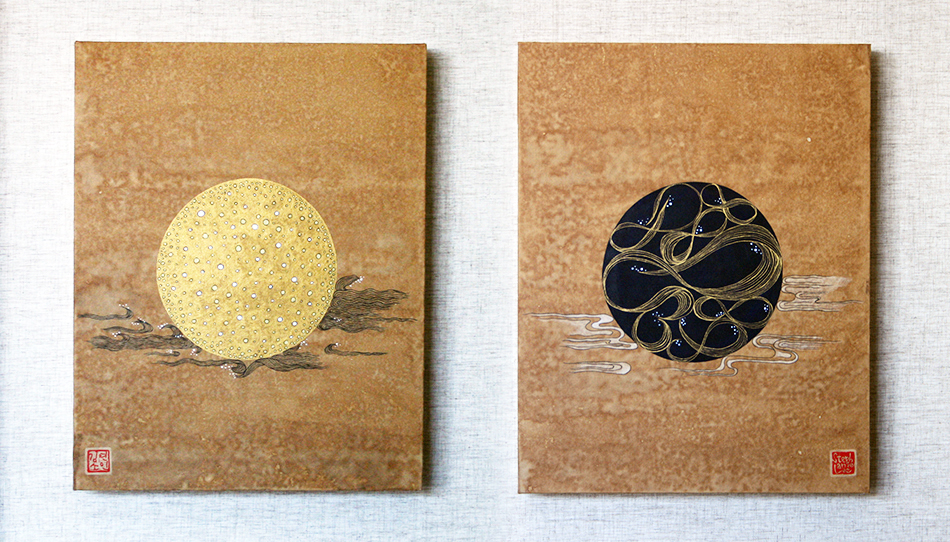
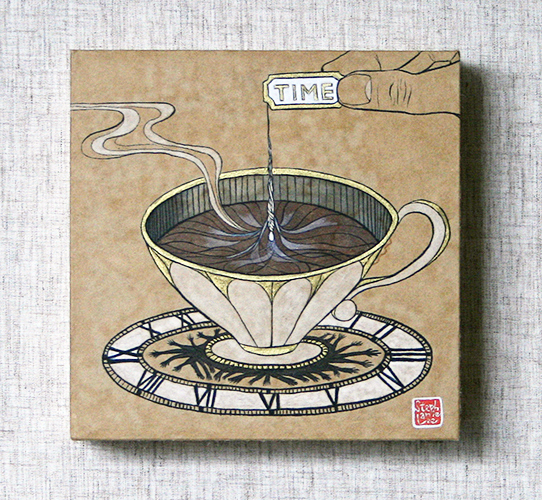
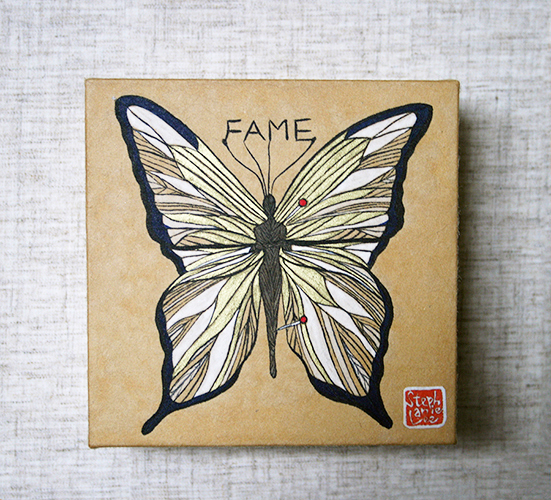
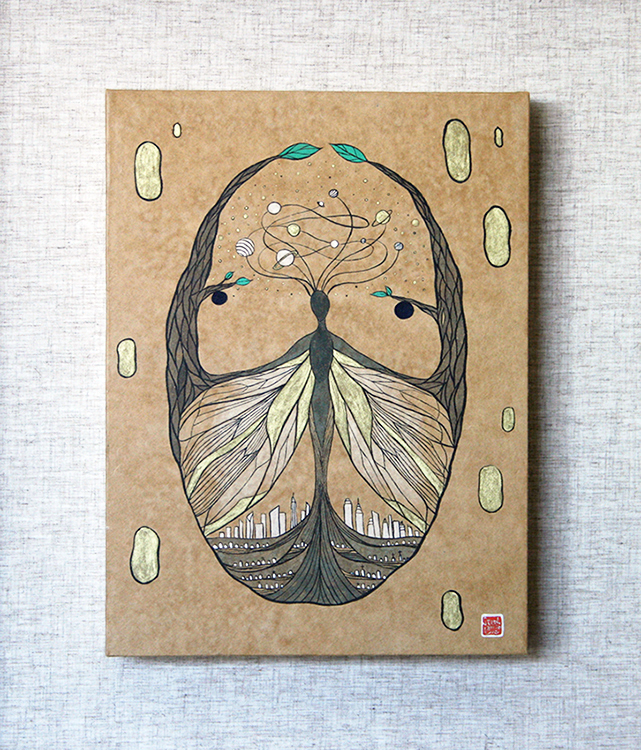
The Everyday works belong to an earlier, more personal and observational body of work. Time, mortality, attachment, memory, domestic experience, and ordinary objects become subjects through which larger emotional and existential questions emerge.
They are presented here as part of the archive of the practice rather than as current work, allowing the portfolio to remain complete while making the chronology of the work easier to understand.
 View larger
Leash
Read about this work
 View larger
Time
Read about this work
 View larger
Tribute to Sand I
Read about this work
 View larger
Tribute to Sand II
Read about this work
 View larger
Time I
Read about this work
 View larger
Death I
Read about this work
 View larger
Death
Read about this work
 View larger
Fruit
Read about this work
 View larger
Self Portrait
Read about this work
In the Gallery
Installation views show how the paintings operate beyond the individual image—through scale, repetition, sequencing, hanging formats, and relationships across a gallery space.
These photographs remain part of the painting portfolio because they document how individual series have been presented and experienced as larger bodies of work.
 View larger
Cabinet of Aspiration: A Modern Chaekgeori
 View larger
Evolving
 View larger
K-Art Recollection
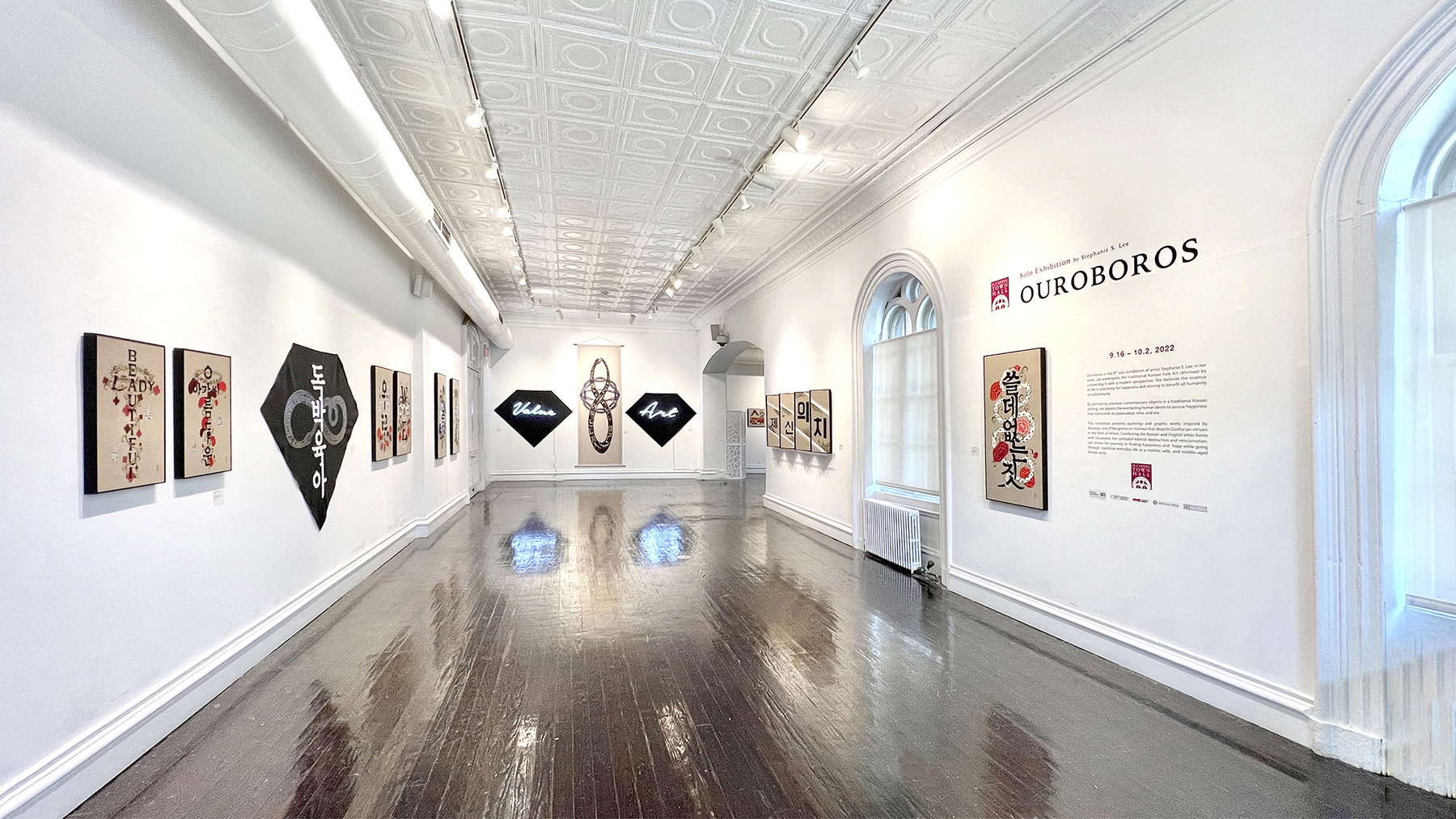 View larger
Ouroboros
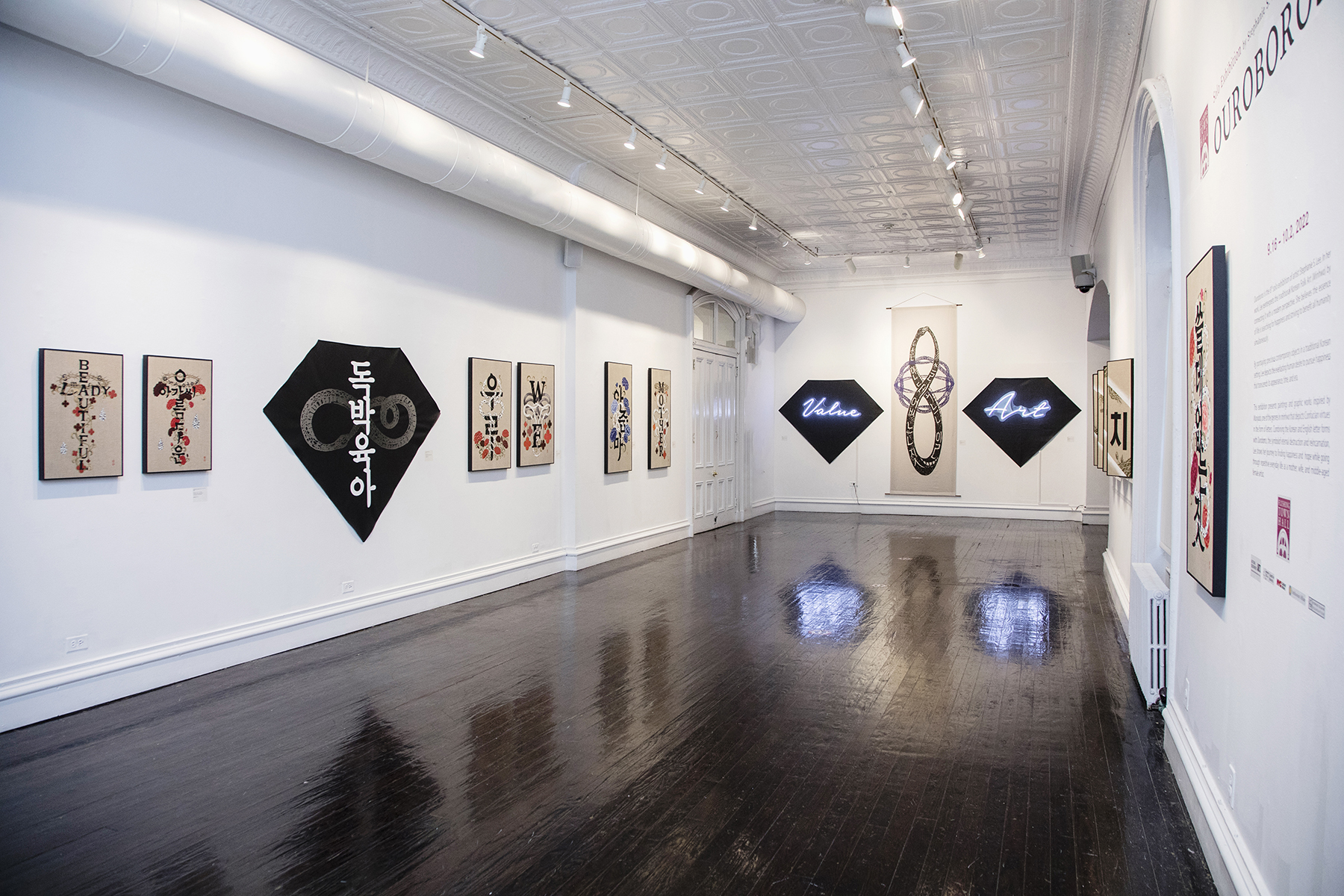 View larger
Ouroboros
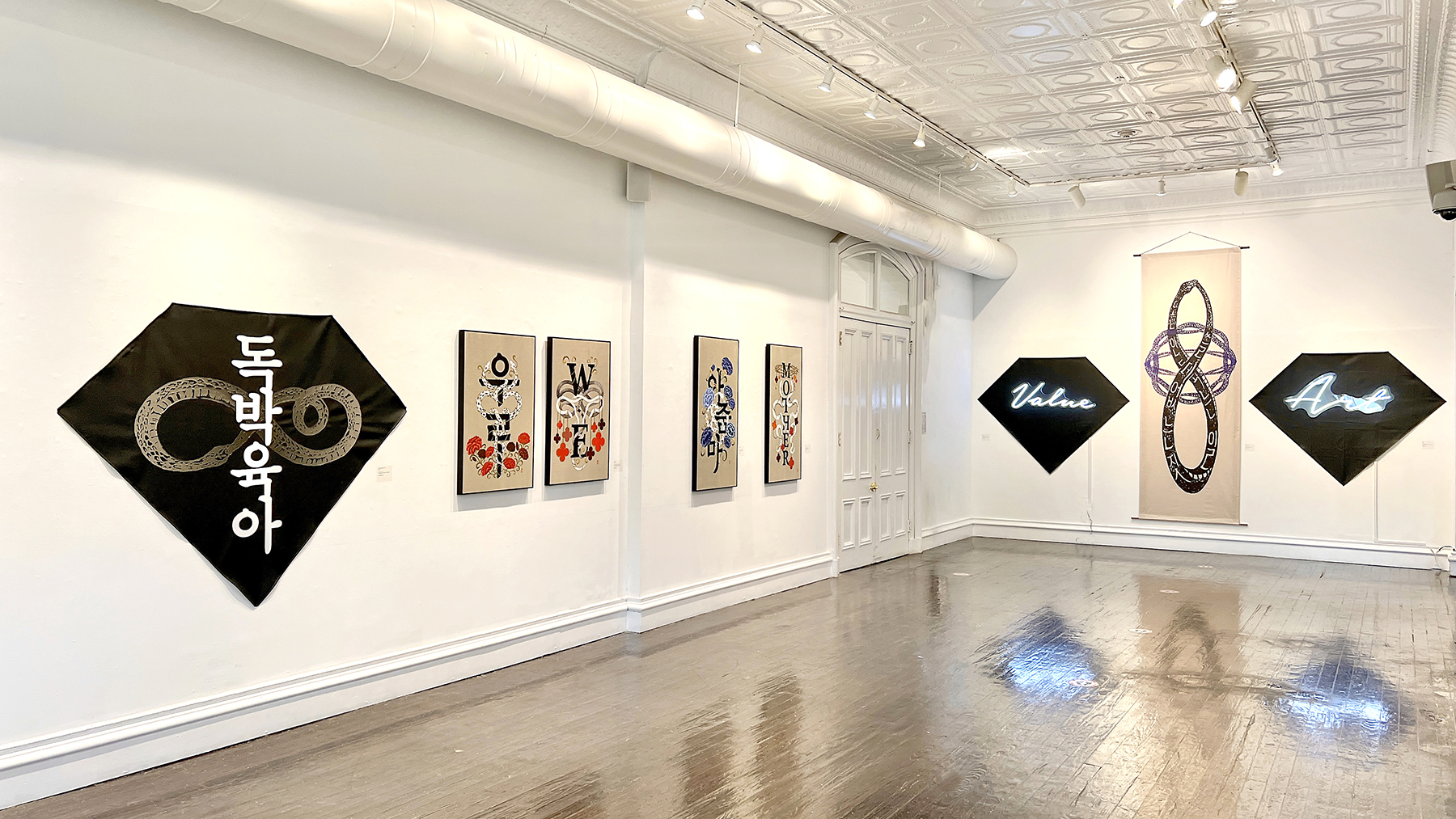 View larger
Ouroboros
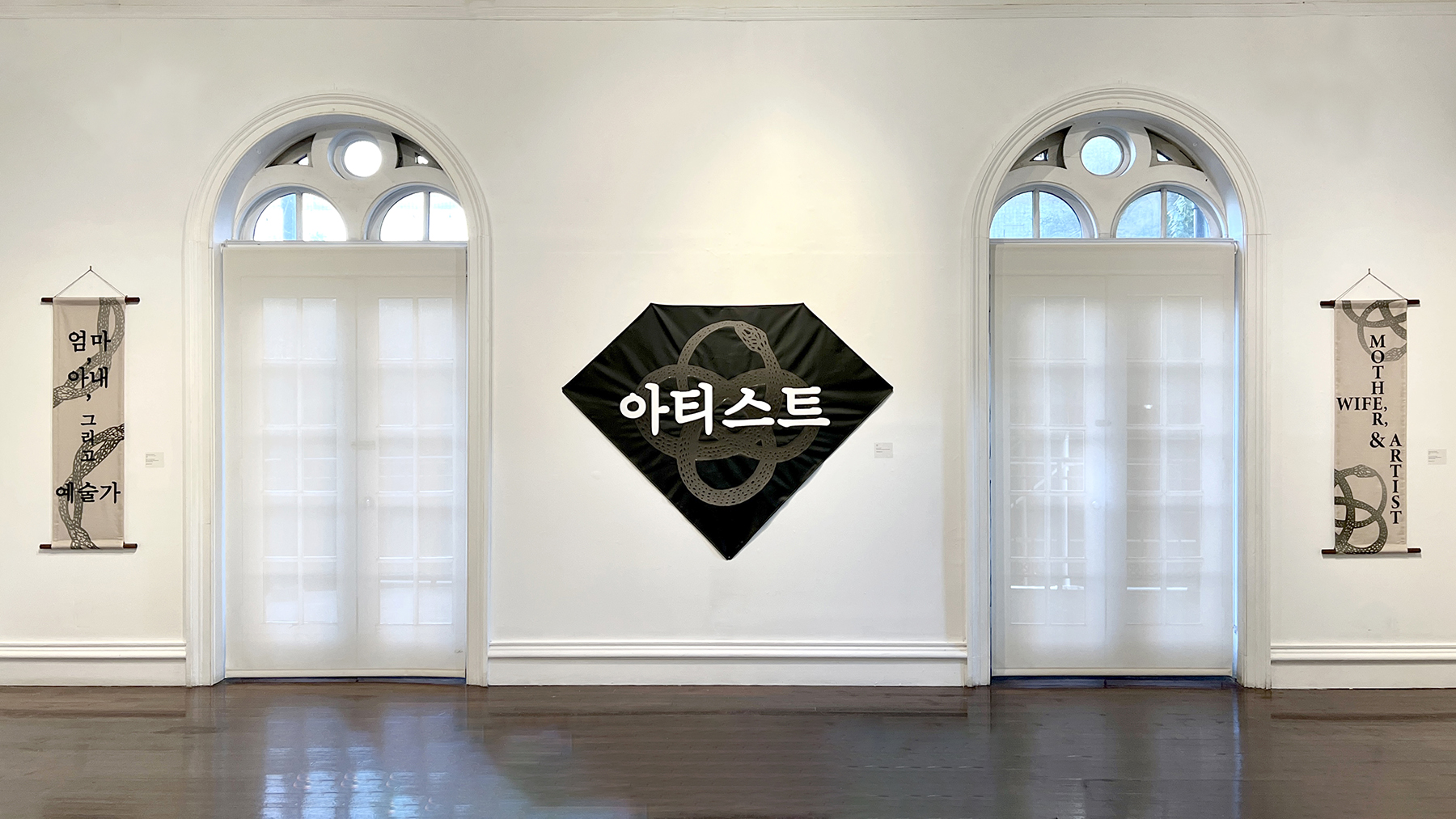 View larger
Ouroboros
Earlier Works · Available for Acquisition
Available Works on Artsy
A selection of earlier works is currently available through Artsy. These works belong to earlier periods of the practice and are presented separately from the current portfolio narrative above. For questions about current work, commissions, exhibitions, or institutional acquisitions, please contact the studio directly.